A cracked screen at 10 am is annoying. A dead mobile halfway through a remote call-out, with job photos unsent and no way to reach the office, costs real time and money. Durable phones for field service are not about looking tough on a spec sheet. They are working tools that need to keep communicating after dust, rain, vibration, drops and very long days.
For tradies, farmers, transport operators, mining crews and remote workers, a normal consumer handset is often the wrong tool for the job. A case can help, but it does not fix a flat battery, poor reception support, wet charging ports or a phone that was never designed to spend its life in a ute, workshop or machinery cab.
What field service actually demands from a phone
The right phone depends on where and how it is used. A technician moving between commercial sites has different needs from a station hand covering large distances or a worker on a dusty mine site. Still, the failure points are usually the same: impact damage, water ingress, battery anxiety, poor visibility outdoors and unreliable connectivity.
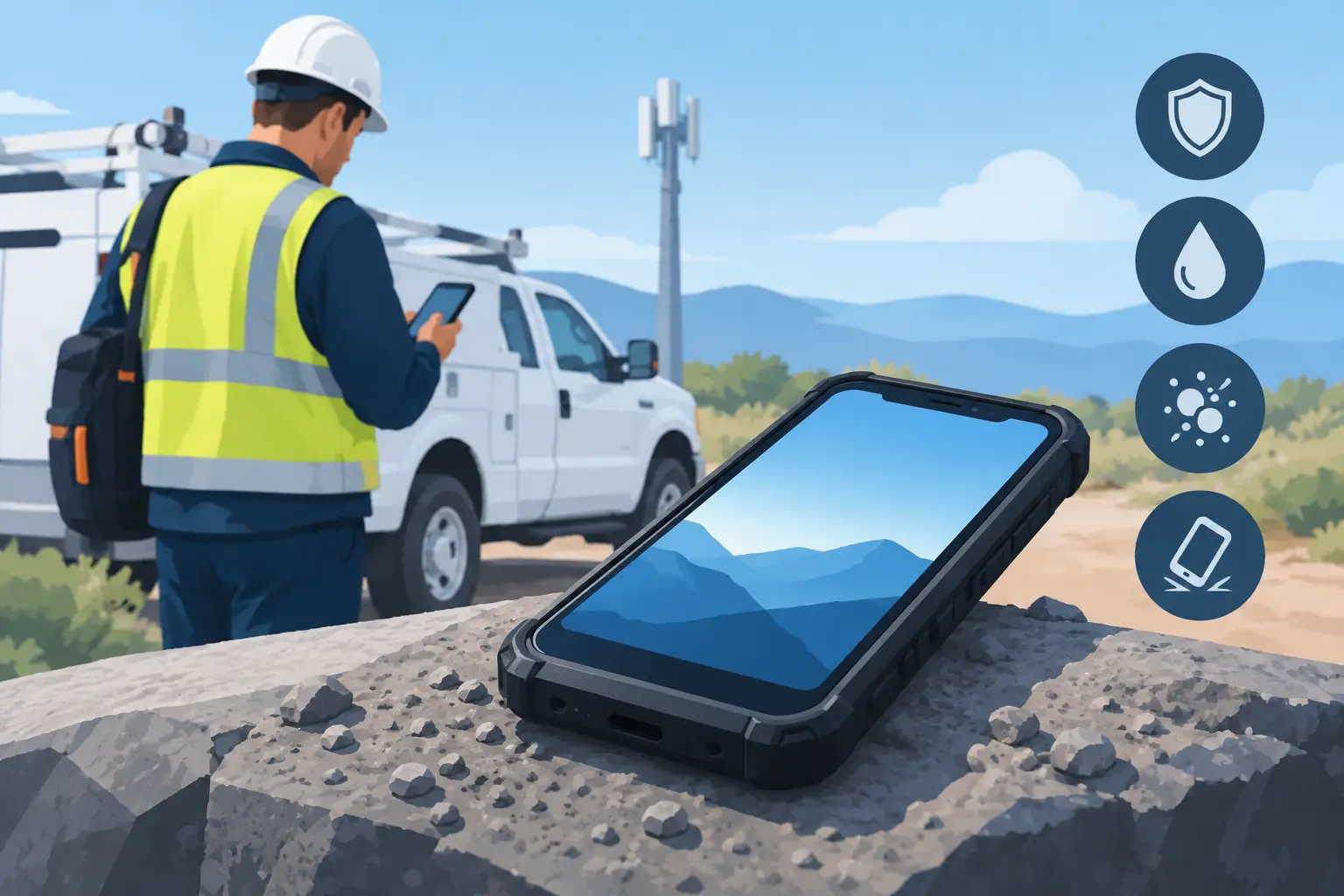
A proper rugged mobile starts with a body built to take punishment. Look for a stated IP rating for dust and water protection, plus a recognised drop or military-style durability standard. These ratings are useful, but they are not permission to treat any device as indestructible. Water resistance can be compromised by damaged seals, and a phone dropped repeatedly onto concrete will eventually show the consequences. The point is to buy a device with a far greater margin for error than a slim glass-backed handset.
Screen protection matters just as much as the rating printed on the box. Field work involves pockets full of screws, grit on work benches, phone mounts in vibrating vehicles and one-handed use while wearing gloves. A recessed display, raised bezel and decent screen glass can prevent the expensive sort of accident that stops work for the day.
Battery capacity is about finishing the shift
Battery figures are easy to overstate. A huge number in milliamp-hours does not automatically mean two or three days of real use. Display brightness, mobile coverage, navigation, camera use, Bluetooth accessories and 5G all draw power. In weak coverage areas, any phone may work harder to maintain a connection.
That said, a larger battery is one of the clearest advantages of durable phones for field service. For workers using maps, receiving dispatch updates, photographing completed work and making calls from the road, a device that comfortably lasts a full shift changes the way the day runs. You are less dependent on charging in the ute and less likely to ration use when you need the phone most.
There is a trade-off. Bigger batteries make phones thicker and heavier. For a worker who carries the mobile all day in a shirt pocket, an oversized battery brick may become a nuisance. For vehicle-based work, farming or long site days, the extra size is usually a sensible exchange for runtime. Choose for the shift you actually work, not the thinnest phone you can tolerate.
Charging design is worth checking too. USB-C is now the practical baseline, but port covers, wireless charging and charging dock options can matter. A covered port offers added protection against contamination, while a phone with accessible charging can be more convenient when it is used constantly in a cradle. Neither is automatically better. It comes down to the environment and the accessories already in use.
Network compatibility is not a detail
A rugged device that cannot hold a useful connection is just an expensive camera. Before buying, check that the model supports the Australian network bands needed by your carrier and that it is suitable for current 4G and 5G services. This is especially important with imported phones, where a long specification list can hide missing local bands or uncertain support for features such as VoLTE.
Do not assume a 5G logo means better regional coverage. In many field locations, dependable 4G matters more than theoretical top speed. Check coverage where crews actually travel: at the farm gate, along transport routes, on site and inside workshops. If workers rely on one carrier because it performs best across a particular region, buy phones that properly support that network rather than hoping a bargain model will work out.
For safety-critical use, a mobile should support communication plans rather than replace them. Remote crews may still need satellite communication, UHF radio, check-in procedures or personal locator equipment. A tough phone is a valuable tool, but it is not a substitute for a proper remote-work safety system.
Cameras should document work, not win social media points
Field-service cameras have a practical job. They record pre-existing damage, capture serial numbers, document repairs, support quotes and provide proof of completion. Megapixel counts alone tell you very little about whether they can do that well.
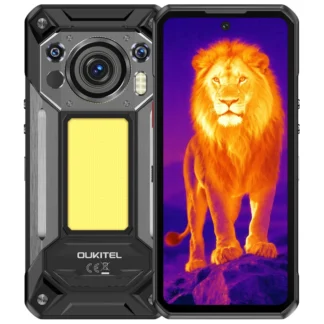
Look for a camera that focuses reliably at close range, handles uneven lighting and produces readable images of labels and equipment. A good flash helps in plant rooms, under vehicles and after dark. Some specialist rugged phones add night vision or thermal imaging. These can be genuinely useful for particular trades – locating heat loss, checking electrical hotspots where appropriate, inspecting machinery or working in low light – but they are not essential for every buyer.
Thermal imaging is a professional tool, not a magic fault finder. Resolution, temperature range, training and the task all matter. If the phone will only be used for job photos and messaging, spend the budget on battery, screen protection, network support and warranty before paying for a sensor that will rarely be used.
Buttons, audio and mounting matter more than people expect
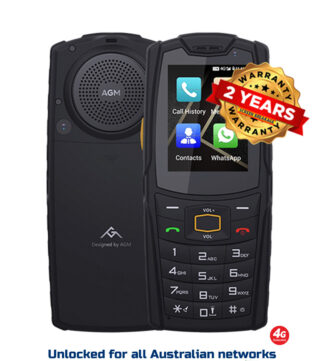
A field phone should be usable when hands are dirty, wet or gloved. Physical buttons with clear feedback are often more useful than an ultra-slim design. A programmable side key can be handy for push-to-talk, torch control, a camera shortcut or a safety app, provided the team can configure it consistently.
Audio is another overlooked issue. Workshop noise, wind and machinery can make ordinary speakerphones frustrating. A loud speaker and usable microphones help with calls, voice notes and walkie-talkie-style apps. If workers wear hearing protection or use vehicle Bluetooth, test the phone with the equipment they already rely on.
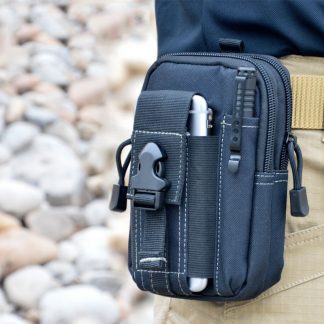
Mounting deserves the same scrutiny. A phone might survive a drop yet be badly suited to a vehicle cradle, barcode scanner, belt holster or lanyard. Check the placement of buttons, charging ports and camera modules before ordering accessories. A badly fitted mount creates vibration, blocks a port or turns a simple task into a daily irritation.
Buy for serviceability, not just the headline price
The cheapest rugged phone is often cheap for reasons that become clear later: questionable components, poor software support, weak network compatibility, no realistic parts path or a warranty that disappears when something goes wrong. A claimed rugged rating does not tell you how well a supplier will handle a screen replacement, battery issue or manufacturing fault.
This is where specialist selection matters. Rugged Phones Australia focuses on models worth putting to work, rather than filling a catalogue with near-identical low-grade imports. That approach matters when a device is used for income, not entertainment. You want clear specifications, honest advice on the compromises and local support when the phone has a problem.
Ask practical questions before buying. Is the battery replaceable or is the handset glued shut? Are screen protectors, cases, docks and charging leads available? What does the warranty cover, and is accidental damage protection offered on the model? Can the supplier explain Australian network suitability without vague assurances? These answers are usually more valuable than another impressive-looking benchmark figure.
A sensible way to choose a field phone
Start with the job, then narrow the hardware. For construction and trade work, prioritise screen protection, a loud speaker, a reliable camera and all-day battery life. For farming and remote travelling, give network support, runtime, navigation and vehicle mounting more weight. For mining, inspection and specialist maintenance, thermal imaging, night vision, programmable keys or intrinsically safe requirements may be relevant – but only where the site rules and task justify them.
Avoid buying the biggest, heaviest model by default. The best device is the one people will actually carry, charge and use correctly. A medium-sized rugged phone with good support may outperform an enormous handset that gets left in the vehicle because it is uncomfortable in a pocket.
Treat the purchase as part of your field kit. Fit a suitable screen protector, use a secure mount or holster, keep a quality charging lead in the ute, and make sure the team knows how to use emergency and location-sharing functions. A phone built for hard work will take more punishment than a consumer model, but good setup is what turns it into a dependable tool when the job runs late and the weather turns.