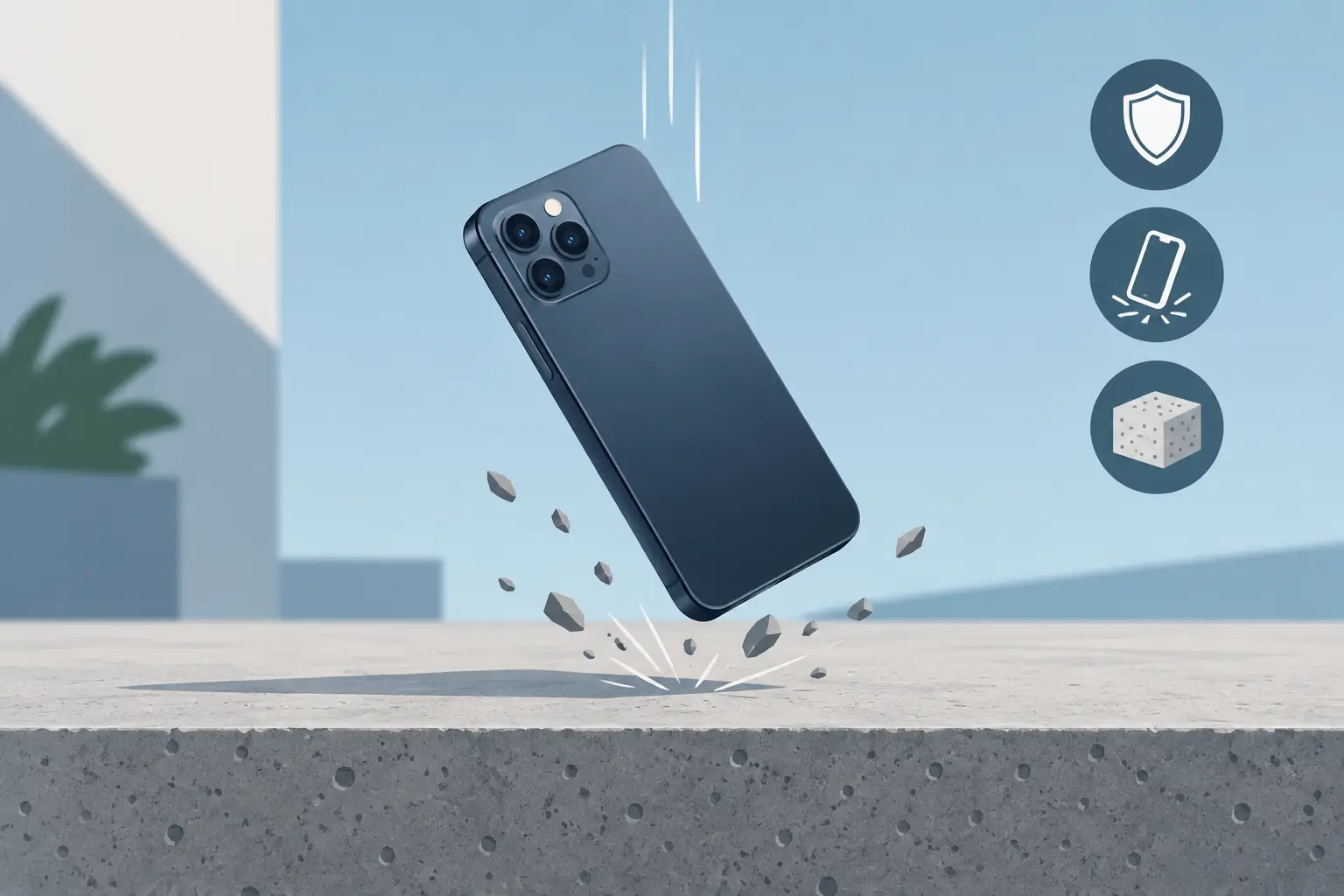
A mobile slipping from a ute tray, scaffold, machine cab or workbench does not land on a laboratory floor. It lands on rough concrete, often on a corner, with enough force to turn a minor knock into a smashed display or bent frame. So, can phones survive concrete drops? Some can, but the honest answer is that survival depends on the drop, the design and what happens after impact.
A rugged phone is not invincible. Anyone claiming otherwise is selling a story, not a work tool. The point of a properly built rugged device is to give it far better odds than a thin consumer handset when the job gets rough – and to make sure one accident does not leave you without communications in the middle of a shift.
Can phones survive concrete drops in real work?
Yes, a well-built rugged phone can survive a concrete drop that would finish many ordinary mobiles. But “concrete drop” covers a lot of ground. A flat fall from pocket height is very different from a two-metre fall off plant, a drop from a ladder, or a handset landing directly on an exposed corner.
Impact physics are unforgiving. The higher the fall, the more energy the phone must absorb. The smaller the point of contact, the more concentrated that force becomes. A phone that lands flat may spread the hit across its back and frame. The same phone landing on the edge of its screen can put nearly all the force into one vulnerable spot.
That is why a device surviving one dramatic drop is not proof it will survive every drop. Repeated impacts matter too. Internal connectors can loosen, seals can be compromised and a screen may develop damage that is not immediately obvious. Rugged construction reduces those risks. It does not cancel them.
What a drop rating actually tells you
The most useful rating to look for is MIL-STD-810H, usually paired with a stated drop-test height. This military test standard can cover many environmental tests, including shock, vibration, temperature and humidity. It is not a single universal badge that guarantees a phone will survive anything.
The details matter. Ask what height the unit was tested from, what surface was used, how many drops were performed and whether the test applies to the actual finished model. A claim of “military grade” without a standard, a method or a height is mostly marketing noise.
Even when a phone has been tested to a stated height, treat that figure as a benchmark, not a personal challenge. A 1.5-metre drop rating is useful because it reflects a common working-height accident. It does not mean you should throw the phone from 1.5 metres onto concrete every Friday and expect no consequences.
The frame does more work than the back cover
The strongest rugged phones use a reinforced chassis, raised corners and impact-absorbing materials around the frame. Those corners are critical. They create a buffer between the ground and the display when the handset hits at an angle.
A raised lip around the screen and camera module also matters. If the glass or lens is the first part to meet the concrete, even tough glass can crack. If the outer frame takes the first hit, the device has a better chance of walking away with scuffs instead of serious damage.
Weight can help and hurt. A heavier handset may use more protective material and have a stronger internal structure. It also hits with more force. Good engineering manages that force through the frame, internal mounting and shock-absorbing layers. A bulky-looking phone is not automatically a tougher one.
Toughened glass is not unbreakable glass
Modern hardened glass resists scratches and everyday knocks well, but concrete is abrasive, uneven and brutal on corners. A screen protector can be worthwhile, especially for anyone climbing in and out of vehicles, working around machinery or carrying tools in the same pocket.
Do not assume a protector replaces proper phone design. A cheap tempered-glass protector may crack while saving the display, which is a decent outcome. But it cannot compensate for a weak frame, poor screen support or a device with no protective bezel.
Water resistance is not drop protection
IP ratings and drop ratings get lumped together, but they measure different risks. An IP68 or IP69K rating addresses dust and water ingress under defined test conditions. It says nothing by itself about whether the phone can take a hit on concrete.
The two protections do overlap in one important way: impact damage can affect sealing. After a heavy fall, inspect charging-port covers, SIM trays, rear covers and camera surrounds. If the frame is visibly distorted or a seal will not sit properly, do not assume the handset remains water-resistant just because it did before the drop.
This is one reason serviceability matters. A phone intended for hard use should not leave you stranded because a damaged screen, cover or battery cannot be assessed or repaired. The cheapest import is rarely cheap when it becomes e-waste after one accident.
Where most phones fail after a concrete drop
The obvious failure is a cracked screen, but it is not the only one. Watch for touch dead spots, flickering, black patches, ghost touches, a loose charging connection, camera focus problems or a battery that starts draining abnormally. These can point to damage beneath an intact-looking exterior.
Pay attention to the camera lenses. Many modern phones have large camera bumps that sit proud of the body. They are a weak point in a fall, particularly when the phone lands on its back. A rugged model should have a recessed or well-protected camera area rather than leaving expensive glass exposed.
Charging ports are another common trouble spot. If a phone falls while plugged into a vehicle charger or power bank, the force can damage the cable, plug or port. Magnetic charging solutions, covered ports and solid internal mounting can reduce the risk, but no connector enjoys being levered sideways.
How to improve the odds on site
A case is sensible insurance, even with a rugged phone, provided it does not interfere with buttons, charging covers, thermal functions or a vehicle mount. The best protection is also practical protection: use a secure belt clip, lanyard or holster when working at height or moving between machinery.
Keep the phone out of the same pocket as bolts, drill bits and keys. Abrasion weakens screen protectors and can turn a minor impact into a cracked display. In a vehicle, use a proper cradle rather than balancing the handset on the dash where it will launch onto the floor at the first corrugation or sharp stop.
After a serious drop, test the basics before you rely on the device again. Make a call, check mobile data, plug in a charger, test the cameras, inspect the screen and confirm the buttons work. If it is a critical work phone, do this before heading back into a remote area.
Choosing a phone that is built for the risk
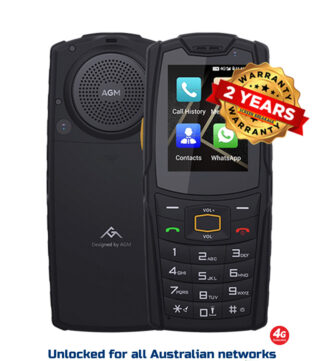
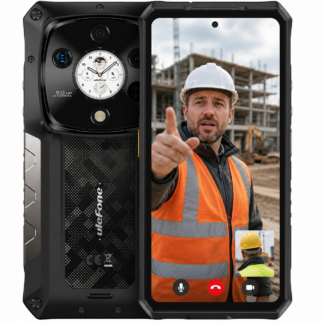
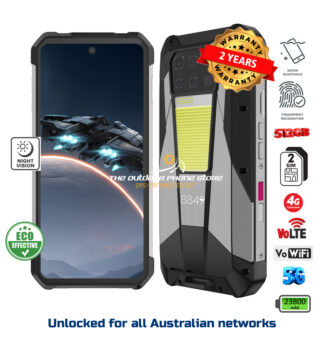
For construction, farming, mining, transport and field work, start with the hazards rather than the spec sheet. If drops are the main threat, prioritise a reinforced frame, raised screen edges, a credible test claim and access to screen or accidental-damage support. If wet work is part of the job, add proven ingress protection. If you work long shifts away from power, battery capacity and charging options matter just as much as the drop rating.
Also consider whether the phone suits Australian networks and whether there is local support if something does go wrong. A tough phone with no useful warranty path, no replacement parts and no one answering the phone is not a dependable work tool. At Rugged Phones Australia, that is why product selection should be about verified build quality and support, not the loudest toughness claim on a marketplace listing.
Concrete does not care what logo is on the back of your mobile. Choose a phone designed to take the hit, protect it where your work creates extra risk, and treat every major drop as a reason to inspect it before the next job depends on it.