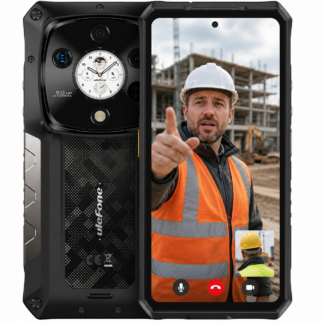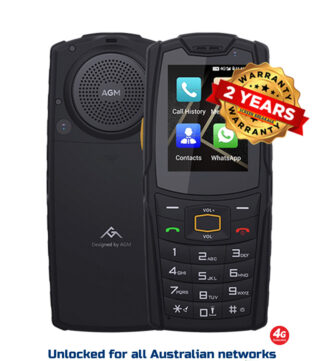
A cracked screen at the end of a shift is annoying. A flat mobile halfway across a property, a failed charging port in red dust, or no usable signal when the crew needs an answer is a proper problem. This 5G rugged phone comparison focuses on what matters after the showroom specs stop looking impressive: network suitability, battery endurance, build quality, useful cameras and support when something goes wrong.
A rugged phone is not automatically a good work phone. Plenty of models wear an oversized case, quote a huge battery figure and then disappoint on software, bands, repairability or component quality. The right choice depends on the job, the coverage where you work and whether the specialised hardware will actually earn its place in your kit.
What a 5G rugged phone should do better
5G is useful when it gives field staff faster access to plans, photos, job systems, video calls and large files. It can also help around depots, worksites and regional towns where 5G coverage is available. But it is not a substitute for broad 4G coverage. Much of rural Australia still relies heavily on 4G, and a phone with the wrong supported bands is a poor purchase no matter how quick its advertised 5G speeds are.
Start with compatibility for your chosen network. Check the exact model variant, not just the product family name. Imported versions can differ in radio bands, charging plugs, software and warranty arrangements. If you work beyond metro areas, confirm support for the 4G and 5G bands used by your provider before buying. A cheap overseas listing that cannot perform where you need it is not cheap.
Then look past the IP rating. IP68 or IP69K indicates a stated level of resistance to dust and water under test conditions. It does not mean you should treat any device as indestructible, pressure-wash it for fun, or expect damage from impacts, chemicals, saltwater or a loose charging flap to be covered automatically. Good rugged design combines sealing with a properly reinforced frame, protected corners, physical buttons that work with gloves, and ports built for repeated use.
5G rugged phone comparison: choose by job, not hype
The best comparison is not brand versus brand. It is work requirement versus device capability. A thermal camera, for example, is valuable for locating heat loss, checking electrical equipment from a safe distance, identifying hot components or finding livestock at night. It is dead weight if all you need is reliable calls, messages and navigation.
General trade, construction and transport
For most tradies, site supervisors and drivers, prioritise a manageable handset with dependable 5G and 4G support, a bright screen, a battery that lasts a full day and a camera good enough for defect photos and proof of delivery. A 10,000mAh-plus battery sounds attractive, but the physical cost is real. Very large battery phones are heavier, thicker and less comfortable in a pocket or vehicle mount.
Look for fast charging as well as capacity. A phone that can regain useful charge during smoko or between jobs is often more practical than a brick-sized handset that takes hours to fill. Wireless charging can be convenient in a ute or office, but a well-protected wired USB-C port remains the more common field solution.
For this group, a sensible mid-range processor and adequate memory usually beat a headline-grabbing camera sensor. Android apps, maps, job management platforms and photos need enough performance to stay responsive over time. Buying the lowest-spec version to save a small amount can create frustration every working day.
Farming, remote work and extended shifts
Farmers, survey crews and remote operators should put coverage, battery reserve and visibility first. A large battery makes sense when power is unavailable for long stretches, particularly if the phone also handles GPS, mapping, Bluetooth accessories and hotspot duties. It still needs to be realistic: battery capacity figures are measured under controlled conditions, while heat, weak reception, navigation and 5G use all increase power draw.
A display needs sufficient brightness to remain readable in Australian sun. Screen size also matters. Reading maps, machinery manuals or livestock records on a tiny panel is painful, while an enormous display is more exposed and awkward one-handed. There is no universal winner here. Choose the size that fits how the mobile is actually used, not how it photographs in an online listing.
Night vision can be worthwhile for property checks, wildlife monitoring and low-light inspections. It should not be confused with thermal imaging. Infrared night vision uses an illuminator to help a camera see in darkness. Thermal imaging reads heat differences and can be useful even without visible light. They solve different problems and command different prices.
Mining, utilities and high-risk environments
If your site has intrinsically safe requirements, do not assume that a normal rugged phone is acceptable because it is waterproof or impact-resistant. Hazardous-area certification is a separate requirement, and the exact certification must match site rules and the environment. Get approval from the relevant site or safety team before purchase.
For other demanding industrial work, focus on loudspeaker volume, glove-friendly controls, programmable buttons, a strong torch and dependable accessories. A programmable button can be assigned to push-to-talk, torch, camera or another frequent task. That is a small feature until you are wearing gloves, standing in rain or trying not to fumble through menus.
Thermal models deserve careful scrutiny. Resolution, refresh rate, measurement range and software controls affect whether the thermal camera is a practical inspection tool or merely an expensive novelty. Likewise, a high-megapixel main camera does not guarantee useful site images. Autofocus speed, image processing, low-light performance and the ability to capture a sharp photo one-handed matter more than the number printed on the box.
Limited-use phones for schools and families
Not every durable handset needs 5G, social media or a full app store. For parents and institutions, a rugged feature phone or restricted smart device may be the smarter answer. The goal can be calls, texts, location awareness and durability without creating another distraction in the classroom. In this case, simplicity is a feature, not a compromise.
The specification traps worth avoiding
The biggest mistake is treating every figure as equal. Battery size is useful, but it says little about standby drain, modem efficiency or charging speed. RAM helps, but poor software support can still make a phone feel old too soon. A massive camera count means nothing if the supporting sensors are low-grade and rarely useful.
Be cautious with devices that make big claims but offer vague details about bands, processor, warranty or after-sales support. Also ask whether the phone is designed to be serviceable. A heavily sealed build is normal in rugged equipment, but poor-quality construction and glued-shut shortcuts make a damaged screen or worn battery far more painful than it needs to be.
Accessories deserve the same scrutiny. A proper belt clip, vehicle cradle, screen protector, spare charging lead and compatible case can make a work phone easier to live with and cheaper to protect. Check that accessories suit the exact model. Near enough is often not enough with rugged housings, magnetic charging systems and camera cut-outs.
Warranty is part of the comparison
A rugged phone is bought to reduce downtime. That makes local support, a clear warranty process and available replacement parts more valuable than a slightly lower upfront price from an anonymous seller. Read what is covered, how accidental damage is handled, whether screen replacement options exist and where the device must be sent for assessment.
This is where specialist selection matters. Rugged Phones Australia does not need to stock every heavily advertised device to offer a useful range. Rejecting weak variants, checking network suitability and backing products with local support protects buyers from the false economy of a bargain that fails in the field.
Before ordering, write down the non-negotiables: your network, the areas you work, expected days between charges, glove use, required cameras, mounting needs and site compliance rules. The right rugged phone should disappear into the job until you need it. When rain starts, dust gets everywhere or the shift runs late, that quiet dependability is worth more than any inflated spec sheet.