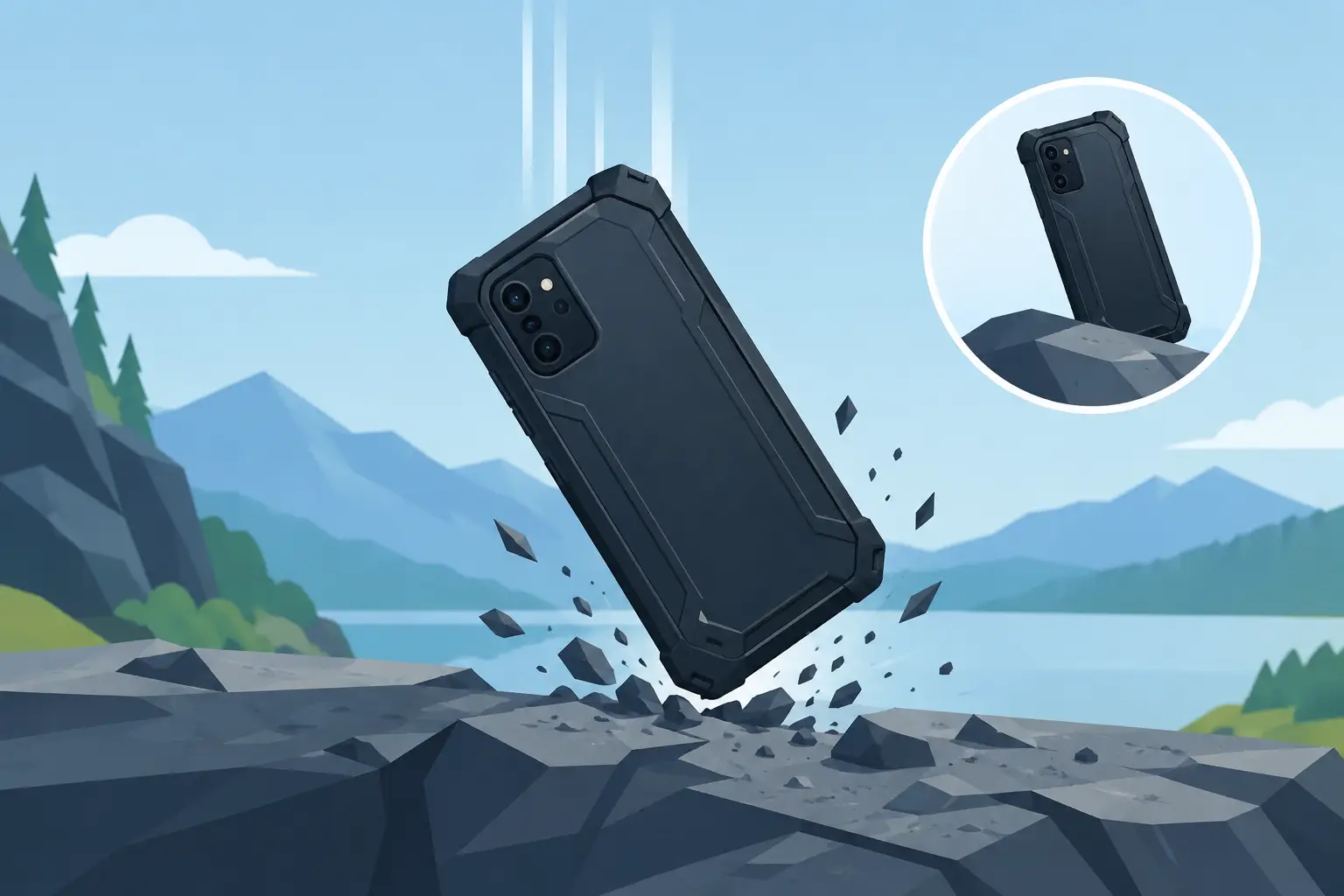
A mobile slipping from a ute tray onto gravel is not a laboratory exercise. Neither is a phone falling from a ladder, out of a loader cab, or onto a wet concrete floor. So, can rugged phones survive drops? Properly built models often can, but the honest answer is not “every drop, every time”. Drop resistance depends on the phone’s construction, the height, the surface, the angle of impact, and whether it has already taken a few hard knocks.
That is why a serious rugged phone is more than a standard handset with a thick case glued around it. The worthwhile devices are designed from the inside out to manage impacts: reinforced chassis, protected corners, recessed screens, sealed ports and internal components that are less likely to shift or crack under shock. That design gives field workers a far better chance of finishing the shift with a working mobile rather than a smashed screen and a dead battery.
Can rugged phones survive drops in real work?
Yes, provided you choose a genuinely rugged model and understand the limits of the claim. A quality rugged mobile is built to survive the accidents that destroy ordinary consumer phones: a waist-height fall onto concrete, a knock against machinery, a slide off the bonnet, or a drop onto compacted dirt.
The phrase to watch is “survive”, not “invincible”. A phone can meet a recognised drop-test standard and still be damaged by an unlucky strike on a sharp rock. A fall that lands flat across the back is very different from one that sends the corner into exposed steel. Glass remains glass. Cameras, antennas and batteries remain precision components. Tough engineering reduces the odds of failure; it does not repeal physics.
For mining, farming, transport and construction crews, this distinction matters. You do not need marketing theatre about a phone being indestructible. You need one that can cope with repeated everyday abuse, keep a reliable signal, and be supported if something genuinely goes wrong.
What makes a phone drop-resistant?
The strongest rugged phones spread and absorb impact rather than letting it concentrate in the screen or mainboard. Corner bumpers are especially important because corners take a disproportionate amount of force in real falls. Look for a chassis that wraps above the display, so the glass sits slightly below the surrounding frame when placed face-down.
A reinforced internal frame also matters. On cheap devices, the outer shell may look chunky while the structure underneath is thin plastic and the internals are poorly secured. That is not protection. It is cosmetic bulk. A well-built phone uses its housing, frame and fastening points together to reduce flex through the body when it lands.
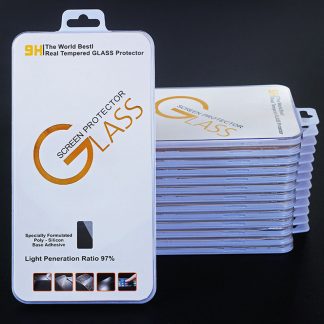
Screen protection is another major factor. Toughened glass helps, but it is only one piece of the job. A recessed display, raised lip and properly fitted screen protectors can make the difference between a scuff and a shattered panel. If you work around aggregate, steel, tools or concrete, fitting a compatible screen protector is sensible insurance, not overkill.
Battery construction should not be ignored either. Large batteries are useful on remote sites, but they need to be securely housed. Poorly assembled phones can suffer from loosened connections, cracked rear covers or charging issues after impact. This is one reason factory quality matters more than a long list of impressive-looking specifications.
The surface matters as much as the height
A one-metre drop onto packed soil may leave no mark. The same drop onto a sharp-edged paver can crack a display. Concrete, bitumen, crushed rock and workshop floors are unforgiving because they do not give way on impact. Wet ground introduces another problem: the phone may survive the fall but land in muddy water, oil or slurry.
That is where a rugged phone’s overall sealing and construction earn their keep. Drop resistance should be considered alongside water and dust protection, not as a separate party trick. Field conditions rarely present just one hazard at a time.
What MIL-STD-810H testing actually tells you
Many rugged phones carry a MIL-STD-810H claim, usually referring to a set of environmental test methods used to assess equipment under specific conditions. Drop and shock testing can be part of that regime. It is a useful sign, but it should not be treated as a blanket lifetime guarantee.
The detail matters. Manufacturers can test for selected methods, heights and surfaces. A rating does not mean the phone has been dropped from a roof, run over by a truck and frozen overnight. It means it has passed the stated test conditions. The better manufacturers are clear about what has been tested and build their phones to perform beyond a single headline badge.
Treat MIL-STD claims as one buying filter, not the whole decision. Consider the phone’s physical design, screen protection, ingress rating, warranty terms, spare parts availability and the reputation of the supplier standing behind it. A cheap import with a bold military label is still a cheap import if there is no proper support when the charging port fails or the display needs replacement.
The common weak points after a hard fall
Even on rugged models, certain parts deserve attention. The display is the obvious one, particularly if the impact lands directly on bare glass. Camera lenses can also crack if they protrude beyond their protective surround. Charging ports may collect grit after a drop, while poorly fitted SIM trays or port covers can compromise water resistance.
After a significant fall, check that the touch screen responds across the full display, cameras focus normally, buttons operate properly and the charging connection is firm. Make a quick test call and confirm mobile data works. If the phone has landed in water, mud or fine dust, rinse it according to the manufacturer’s care instructions and make sure the ports are clean and dry before charging.
Do not keep forcing a damaged charging cable into a dirty port. That is how a minor incident becomes an expensive repair. A phone that still turns on is not necessarily fine if the housing has split, the battery cover is lifting, or water seals have been damaged.
How to give your rugged mobile the best chance
A rugged phone should be treated as work equipment. It can take punishment, but basic care extends its life and preserves its sealing. Use a fitted screen protector where available, especially for site work. Keep the charging port clear of metal filings, sand and mud. Replace damaged port covers or seals rather than assuming they are cosmetic.
Avoid leaving the phone loose on a dashboard, ute tray or machine console where vibration and sudden stops can launch it. A belt holster, secure pocket or vehicle mount costs less than a screen replacement and prevents the sort of repeat falls that eventually find any phone’s weak point.
Temperature also plays a role. Plastic and glass can become less forgiving in extreme cold, while high heat can affect battery health and adhesives. If a mobile has been sitting in direct summer sun inside a vehicle, let it cool before putting it through more stress or plugging it into a charger.
Choose for the work, not the stunt video
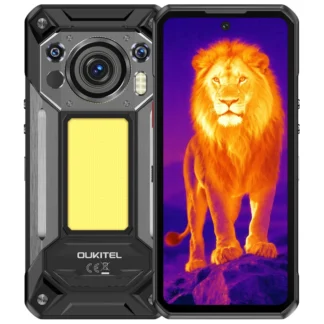
A thermal camera may be valuable for inspections. Night vision can help around property or in low-light operations. A huge battery may be essential for a long day away from power. But none of those features compensate for poor build quality, weak local support or a phone that does not suit Australian networks.
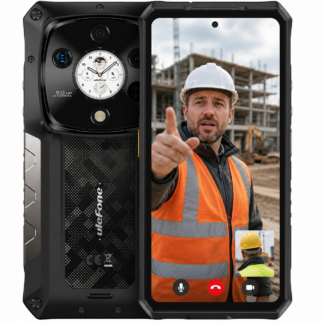
Choose the device around the hazards it will actually face. A delivery driver may prioritise a manageable size, dependable 5G and a strong mount. A farmer may need battery endurance, waterproofing and a bright display. A tradesperson working around concrete and tools may put screen protection and drop performance first. Rugged Phones Australia focuses on vetted devices for exactly this reason: hard-use buyers should not have to sort through a pile of lookalike models and hope the specifications are honest.
A good rugged phone is not there to encourage careless behaviour. It is there so that one bad step, one slippery glove or one unexpected bounce off concrete does not stop work in its tracks.