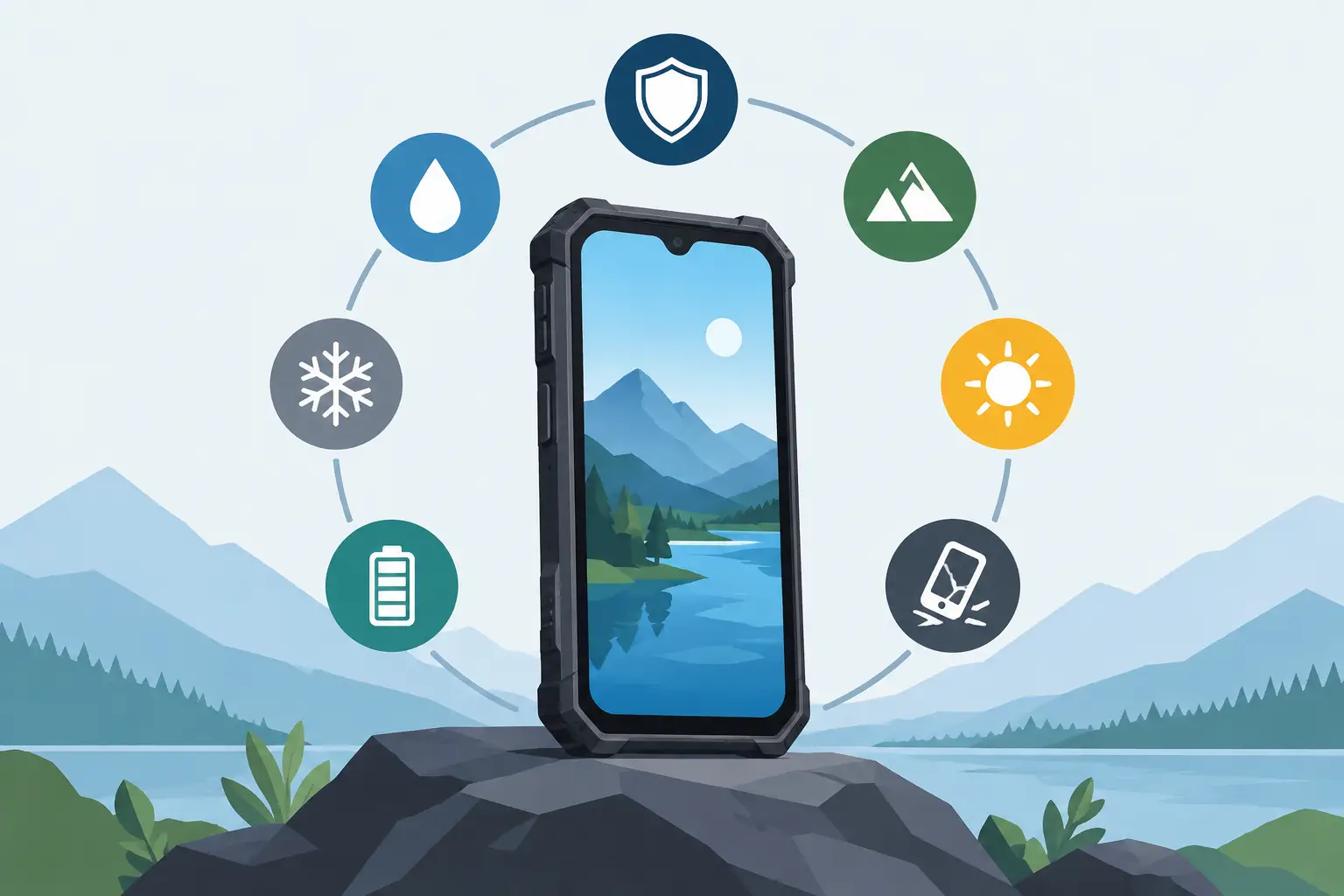
A rugged phone lifespan is not measured by the first time it hits concrete. Any decent rugged mobile should survive that. The real test is whether it still charges properly, holds a useful battery, connects reliably and remains fit for work after years of dust, vibration, rain, heat and rough handling.
For most people buying a standard consumer handset every two or three years has become normal. For a worker on a mine site, a farmer checking stock in the rain, or a tradie with a phone bouncing around the ute, that replacement cycle is costly rubbish. A properly selected rugged phone should reasonably deliver three to five years of productive use. Some will go further. Others will fail early despite an impressive-looking spec sheet.
The difference usually comes down to build quality, component choice, repairability and how honestly the device was designed for hard use.
What determines a rugged phone lifespan?
A thick case and a big battery are only part of the equation. Rugged phones are a system of compromises. Extra protection adds weight and bulk, while sealed construction can make repairs harder. The best models manage those trade-offs without treating durability as a marketing sticker.
The chassis takes more punishment than the screen
Corners, frames and port surrounds absorb the force of most drops. A phone with reinforced corners and a properly secured internal frame is far more likely to keep working after repeated knocks than one relying on a soft outer shell alone. The screen can be tough, but if the frame flexes or the display is poorly bonded, impacts eventually find a weak point.
Look beyond phrases such as “military grade”. A useful rugged design has practical protection around the charging port, camera lenses, side buttons and screen edges. These are the areas that get worn down when a phone lives in a tool bag, on a belt clip or in a dusty vehicle cab.
Water resistance is not permanent immunity
IP ratings matter, particularly around water and dust, but they are not a lifetime guarantee. Seals age. Charging covers get damaged. Fine grit can work into moving parts and abrasion can compromise rubber gaskets over time.
A phone rated for water resistance should cope with wet weather, accidental drops into shallow water and regular wash-downs where the manufacturer permits it. That does not mean every unit will survive repeated high-pressure spraying, chemical exposure or years of immersion. If you work around saltwater, fertiliser, concrete dust or industrial chemicals, rinse the handset according to its care instructions and inspect port covers regularly.
Batteries are usually the first major limitation
The battery is often the part that defines the practical lifespan of a rugged phone. Large batteries can give exceptional runtime, especially compared with thin mainstream mobiles, but lithium batteries still degrade with charge cycles, heat and age.
A 10,000mAh or 20,000mAh battery can remain useful for years because it starts with so much capacity. Still, capacity will gradually fall. Constant exposure to extreme heat inside a vehicle, leaving a phone flat for weeks, and repeatedly using cheap high-output chargers can speed up that decline.
A non-removable battery is not automatically a bad design. Better sealing often requires it. But buyers should understand the consequence: when battery health finally becomes poor, replacement may require professional service rather than a quick swap in the shed. That is why serviceable construction and proper local warranty support matter more than flashy battery numbers.
A realistic rugged phone lifespan by use case
There is no honest single answer because the job changes the outcome. A rugged mobile used by a field supervisor for calls, maps, photos and messaging may last four or five years with sensible care. A device used every day in a quarry, exposed to vibration, dust and constant charging, may have a harder life even if it is built well.
For general trade and outdoor work, three to five years is a sensible expectation from a quality rugged phone. For occasional camping, four-wheel-driving or emergency use, it may last longer because charge cycles and physical wear are lower. In high-abuse industrial work, two to four years of dependable operation can still represent good value if the phone avoids repeated screen repairs and downtime.
Software support is another limit. The hardware may still be sound after five years, but apps, security requirements and carrier settings move on. A rugged phone does not need the longest update promise in the market to be useful, but it should run a current enough version of Android for the work apps, banking tools and communication platforms you rely on.
The hidden weak points buyers miss
Most premature failures are not dramatic. They begin as small annoyances: a loose charging connection, a sticky power button, a weak loudspeaker or a camera cover scratched beyond usefulness. If you want a phone that stays on the job, these details deserve more attention than benchmark scores.
Charging ports are a common failure point because they collect lint, metal filings and dust. A protected USB-C port is helpful, but regular cleaning matters too. Never force a cable into a dirty port. If charging becomes intermittent, deal with it early rather than twisting cables until internal connections loosen.
Buttons also matter more on a work phone. Programmable keys, push-to-talk buttons and physical volume controls are useful only if they are properly sealed and rated for repeated presses. The same applies to accessory mounts and lanyard points. A phone may survive a drop, yet become frustrating if the features used every shift wear out first.
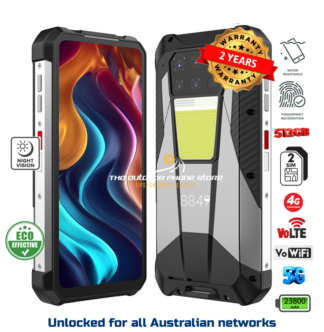
Network compatibility deserves a mention as well. A long-lasting handset is no bargain if it struggles with Australian bands or future carrier requirements. A rugged phone should be chosen for its confirmed suitability on the network you use, not just because an overseas listing claims it is “unlocked”.
How to make a rugged phone last longer
Hard-use does not mean no care. A few practical habits can add meaningful life without wrapping the phone in cotton wool.
Keep the charging port clean and dry before connecting a cable. Avoid cooking the handset on a dashboard or leaving it against a heater. Use a quality charger with the correct specifications, and do not ignore a damaged cable just because it still works sometimes. If the phone has a protective port cover, close it after charging.
For workers who take frequent photos, fit a screen protector if one is available and replace it when it becomes heavily scratched. The factory screen is tough, but a protector takes the daily abrasion from sand, grit and keys. A belt holster or secure mount can also prevent the sort of repeated waist-height drops that eventually defeat any device.
Most importantly, buy for the actual job. Thermal imaging, night vision, a massive battery or a high-power torch can be worth paying for when they solve a field problem. They are dead weight when they do not. The right phone lasts longer because it is used as intended, rather than being pushed into tasks it was never properly built to handle.
Why cheap rugged phones can be expensive
The bottom end of the rugged market is full of devices that look convincing in product photos. Huge batteries, aggressive styling and a long list of ratings can hide poor component quality, weak quality control and no realistic path for support when something goes wrong.
A low price can make sense for a backup handset or limited-use device. It is a poor gamble when the phone is your link to dispatch, safety procedures, payment systems, customers or family in a remote area. A glued-shut handset with questionable parts may be physically bulky but still have a short working life.
This is where specialist selection earns its keep. Rugged Phones Australia focuses on models that are worth owning, with attention to factory quality, practical specifications and support rather than simply chasing the cheapest claimed rating. No phone is indestructible, but the right one should be dependable enough that you stop thinking about it and get on with the job.
Choose the phone for the conditions it will face on an ordinary Tuesday, not the dramatic accident shown in an advert. A mobile that keeps charging, connecting and doing its job after thousands of ordinary hard days is the one that has genuinely earned its place in your pocket.