A thermal image can show a hot bearing before it seizes, reveal a cold spot in a roof, or help find a person after dark. But can thermal mobiles measure temperature well enough to make a call on site? Yes, within limits. A thermal mobile can provide a useful surface-temperature estimate and, more importantly, show heat differences that point to a fault. It is not automatically a replacement for a calibrated contact probe, industrial infrared thermometer or certified inspection instrument.
That distinction matters when a decision involves worker safety, food safety, electrical compliance or a costly shutdown. Thermal imaging is practical kit when you understand what the numbers mean. It becomes expensive guesswork when you treat a coloured screen as laboratory-grade measurement.
Can thermal mobiles measure temperature in real conditions?
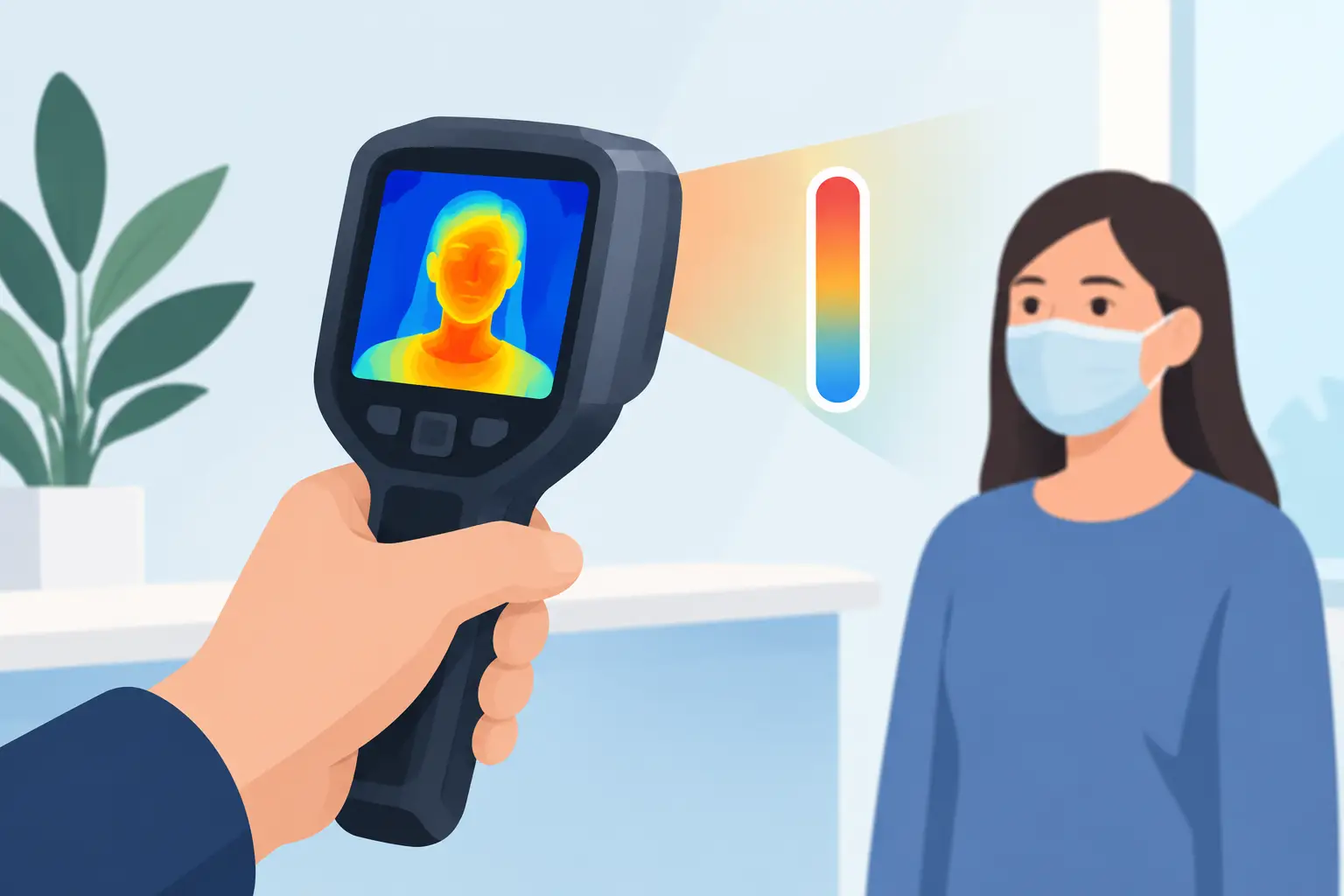
A thermal mobile measures infrared energy emitted from a surface, then converts that energy into a temperature estimate. Every object above absolute zero gives off infrared radiation. Hotter surfaces generally emit more, and the mobile’s thermal sensor maps those differences into an image.
Most thermal mobiles display a centre-point temperature, plus the hottest and coolest points within a selected area. Many also let you add measurement spots, boxes or lines. That makes them useful for quick checks around a farm, workshop, mine site, construction job or vehicle fleet.
The result is usually good enough to answer practical questions: Is one phase in a switchboard running much hotter than the others? Is a wheel hub heating up on a trailer? Is this hydraulic fitting warmer than the matching fitting? Is a solar panel section behaving differently? Is there a likely air leak around a door or cool-room seal?
The key word is surface. A thermal camera does not see through a steel cover, inspect the internal temperature of an engine block, or read a person’s core body temperature. It reads the infrared radiation arriving at its lens from the surface in view.
Why the displayed number is not always the real temperature
The biggest source of error is emissivity. This is a material’s ability to emit infrared energy. Matte black rubber, painted metal, timber and soil tend to give thermal cameras a more honest target. Bare aluminium, polished stainless steel, chrome and wet surfaces are far more difficult.
Point a thermal mobile at a shiny stainless tank and it may show the reflected temperature of the sky, your body or a nearby machine rather than the tank itself. The image can look convincing while the number is wrong. That is why experienced operators do not diagnose a fault from one isolated reading on a reflective surface.
Distance also matters. Thermal sensors have a fixed resolution. As you move away, each pixel covers a larger patch of the target. A tiny hot connector viewed from across a shed can be blended with the cooler material around it, hiding the true peak temperature. Get closer where it is safe, fill more of the frame with the target and avoid measuring through glass. Standard glass blocks long-wave infrared, so a thermal camera usually reads the glass surface, not what is behind it.
Weather and operating conditions can skew results too. Rain, dust, wind and direct sun all affect surface temperature. A ute bonnet in full sun may be hot without any mechanical issue. A breeze can cool one side of a pipe. A wet electrical enclosure needs careful treatment for obvious reasons, and thermal imaging must never be used as an excuse to bypass isolation or electrical safety procedures.
What thermal mobiles are genuinely good for
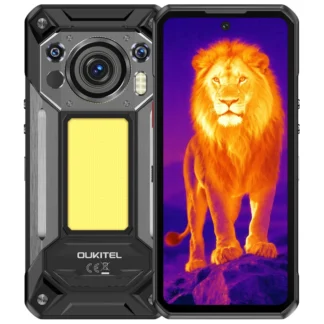
A rugged thermal mobile earns its place as a fast, carry-everywhere screening tool. Unlike a separate thermal camera that stays in the toolbox, it is already in your pocket when a pump sounds wrong or a worker reports a hot smell near a distribution board.
For maintenance work, comparison is often more valuable than an absolute number. Compare identical components under similar load. A motor bearing running at 75°C is not automatically a failure. But if the equivalent bearing on the other side is sitting at 42°C, or the same bearing was 45°C last month under the same conditions, you have a reason to investigate.
On farms and remote properties, thermal imaging can help identify overheated connections, check machinery after a hard run, locate heat loss around buildings and scan for livestock in low light. In transport, it can support pre-start checks on brakes, hubs, tyres and electrical connections. In construction, it can reveal moisture patterns, missing insulation and potentially overloaded electrical components.
None of these uses require pretending the mobile is a calibrated scientific instrument. They rely on finding abnormal heat patterns early, then confirming the cause with the right process.
How to get a more reliable temperature reading
Start by checking the mobile’s thermal settings. If the device allows emissivity adjustment, choose a value that suits the material rather than leaving it on a generic setting. For a quick field reading on shiny metal, place a small piece of matte electrical tape on a safe, clean section of the surface, let it settle to the surface temperature, then measure the tape. This gives the camera a much better target than polished metal.
Move close enough for the target to occupy a meaningful part of the image, while maintaining safe clearance around live electrical gear, moving machinery and hot equipment. Look from more than one angle if reflections are possible. If the temperature changes wildly as you shift position, you are likely seeing reflected infrared energy rather than the target itself.
Let the thermal camera stabilise after moving between very different environments. A mobile pulled from an air-conditioned cab into summer heat may need a short period before its readings settle. Keep the lens clean as well. Dust, mud, fingerprints and moisture on the thermal lens reduce image quality and can affect measurement confidence.
For critical work, record the image along with the asset, load condition, ambient conditions and date. A single image tells you what is happening now. A consistent inspection record tells you whether the asset is getting worse. That is where thermal imaging starts to deliver real maintenance value.
When a thermal mobile is the wrong tool
Do not use a thermal mobile as the sole tool where a precise, traceable measurement is required. Examples include food-temperature compliance, medical assessment, regulated electrical testing, process control or any task with a stated calibration standard. Use a suitable calibrated instrument and follow the relevant site procedure.
Likewise, do not use one to diagnose a problem hidden behind glass, inside a sealed wall cavity, under insulation or within a metal enclosure. Thermal cameras reveal the surface effects of heat. They do not grant X-ray vision. A warm patch may indicate a problem behind the surface, but it needs further investigation before anyone starts cutting, replacing parts or calling an asset unsafe.
Thermal resolution is another trade-off. A budget sensor can still be useful for broad fault finding, but it may struggle to separate small, closely packed components. For switchboards, fine mechanical work or inspections from a safe standoff distance, better sensor resolution and measurement controls are worth paying for. Cheap specifications on a marketplace listing do not compensate for poor image processing, questionable calibration or a device that cannot survive the environment where it will be used.
Choosing a thermal mobile for work
Buy for the job, not the colour palette on the product page. A useful thermal mobile needs a sensor that can identify the target at your normal working distance, practical temperature measurement tools, dependable software and a physical build suited to dust, rain, vibration and gloves.
Battery capacity matters on long shifts, but so does serviceability, network compatibility and local warranty support. A thermal function is only valuable if the mobile remains reliable after being knocked around in a ute, exposed to weather or carried through a full day on site. Rugged Phones Australia focuses on vetted hard-use devices for exactly that reason: flashy features are worthless when the phone itself fails.
Treat a thermal mobile as an early-warning tool with a camera attached, not a magic thermometer. Used with sound judgement, safe work practices and a proper follow-up instrument where needed, it can spot trouble while it is still cheap to fix.