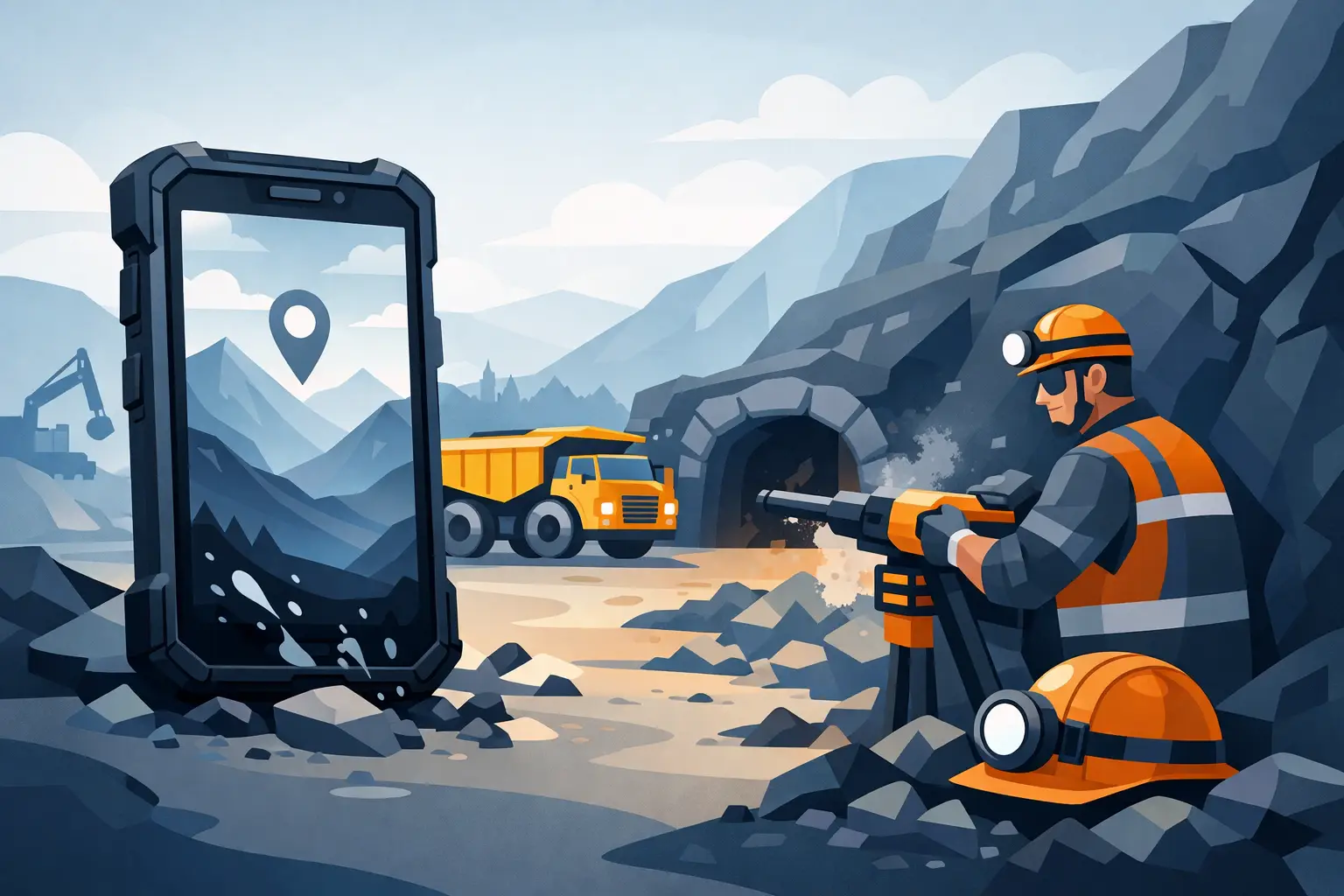
A glossy consumer mobile does not belong on a mine site. Dust gets into ports, vibration loosens weak components, and one drop onto rock can turn an expensive handset into scrap. If you need a rugged phone for mining, the real question is not which model looks toughest. It is which one will keep working after long shifts, rough handling and the sort of site conditions that expose every shortcut in build quality.
That is where plenty of buyers get caught. The market is full of phones claiming to be rugged, but a spec sheet is not the same as a device that can handle heat, grime, impact and constant field use. Mining work punishes weak charging ports, poor seals, flimsy frames and batteries that sag halfway through a shift. A proper buying decision starts with the environment, not the marketing.
What a rugged phone for mining actually needs
Mining is not one use case. Open-cut work, underground operations, processing plants, exploration crews and maintenance teams all ask different things of a mobile. Still, the basics do not change. The phone needs to survive drops, keep dust and water out, deliver battery life that lasts a full day, and stay usable with gloves or wet hands.
A tough exterior matters, but it is only part of the story. The better devices are designed with stronger internal support, more reliable seals and components that hold up to repeated punishment. Cheap imports often copy the chunky look without fixing the parts that fail first. That is why two phones can both claim similar protection ratings and perform very differently after six months on site.
Reception is another big one. In mining, a phone that survives a drop but struggles with coverage is still a poor tool. Workers in regional and remote areas need proper Australian network compatibility, especially if they rely on 4G or 5G across multiple bands. If the handset is missing the right frequencies, you will feel it fast when coverage gets patchy.
The features that matter more than hype
A good mining phone should earn its place in your pocket every day. Battery life is near the top of the list. Long shifts, travel between work areas and limited charging access all make battery capacity a practical issue, not a nice extra. A larger battery can mean a heavier phone, so there is a trade-off. Some buyers want maximum runtime and are happy with the extra bulk. Others need a device that is still manageable climbing in and out of machinery or carrying all day.
Screen usability matters more than many people expect. Bright sunlight, dust, safety glasses and gloves all make ordinary displays harder to use. You want a screen with enough brightness to stay readable outdoors and touch settings that work when your hands are not clean and dry. A giant display sounds appealing until the phone becomes awkward to carry or more exposed to impact. Bigger is not always better on site.
Charging design deserves more attention than it gets. Ports are a common failure point in harsh environments. Magnetic charging accessories, better port sealing or durable USB-C implementations can make a real difference over time. Wireless charging can help some users avoid port wear, but it is not always the best fit if charging speed and practicality in the crib room matter more.
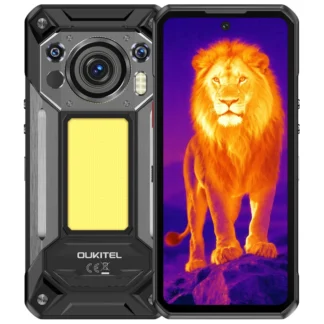
Camera quality is often dismissed, but on mine sites it has real value. Workers use cameras for defect reporting, inspections, documenting incidents and sending field updates. Thermal imaging can be useful for electrical checks, mechanical diagnostics and identifying heat issues before they become bigger problems. Night vision can also help in low-light areas. Those features are not gimmicks when they solve actual site problems.
Durability claims are easy – build quality is harder
This is where buyers need to be blunt. Plenty of so-called rugged phones are built down to a price. They might advertise IP ratings and drop resistance, but use poorer components, weaker assembly standards or designs that are hard to support once something goes wrong. The result is a phone that looks the part on day one and becomes a headache later.
A proper rugged device should feel engineered, not just wrapped in rubber. You want confidence in the frame, buttons, seals and repair support. If a model is impossible to service, glued shut in all the wrong ways, or backed by weak after-sales support, that matters. On a mine site, downtime is expensive. Buying cheap and replacing the phone every few months is not saving money.
That is also why warranty matters. Not the fine print fantasy version – actual support from a seller who understands rugged devices and will still be there when a fault appears. Specialist retailers such as Rugged Phones Australia have built their reputation on filtering out rubbish models and backing the devices worth owning. That sort of discipline matters more than another meaningless badge on a product page.
Choosing the right rugged phone for mining by role
The best rugged phone for mining is not identical for every worker. If you are underground or in confined spaces, size and one-handed use may matter more than massive battery capacity. You need something dependable, easy to grip and not ridiculous in the pocket.
If you work in field maintenance or inspection, camera performance and thermal capability can justify the extra spend. A phone that helps diagnose faults, log issues and report clearly back to the office can pull its weight quickly.
If you are driving between sites, working long remote shifts or covering exploration areas, battery life and reception support move higher up the list. In that case, a bigger handset with stronger battery reserves may be the right compromise.
There is also a place for simpler devices. Not everyone on site needs a full-featured smartphone. In some roles, a durable feature phone with strong battery life and straightforward calling is the smarter option. Less to break, less distraction and easier compliance in controlled environments. It depends on what the job actually demands.
What to watch before you buy
Do not buy a mining phone based on protection ratings alone. Check whether it supports the Australian bands you need. Check battery size against the way you work, not just the biggest number available. Check whether the phone is realistically usable with gloves, whether accessories are available, and whether the seller can support the product locally.
It is also worth thinking about weight. Some rugged phones are built like bricks. That can be fine in a vehicle mount or tool bag, but less ideal if the phone lives in your pocket all day. A heavier device can feel reassuring at first and annoying by week two.
Operating system support matters as well. Security updates, app compatibility and long-term usability should not be ignored just because the handset is tough. A mining phone still needs to run modern tools, from communication apps to inspection software and mapping.
Finally, avoid the trap of chasing the cheapest price online. There are too many low-grade variants floating around, often with compromised parts or poor quality control. The upfront saving disappears fast if the phone fails early, misses local network performance or leaves you stranded with no proper warranty path.
A mining phone should be a tool, not a liability
A rugged mobile earns its value when it stops being something you worry about. You should not be babying it around dust, hiding it from a bit of rain or wondering whether the battery will make it to knock-off. On a mine site, the phone is part communication tool, part camera, part safety support and part field computer. If it cannot handle the conditions, it is the wrong device.
The right choice comes down to being honest about how and where you work. Some buyers need maximum battery and a large screen. Others need thermal imaging, better one-handed use or a simpler handset with less to distract and less to fail. What matters is buying from a specialist who knows the difference between a genuinely dependable unit and a dressed-up dud.
If you are choosing a rugged phone for mining, buy for the shift, the site and the punishment it will take – not for the marketing line on the box.