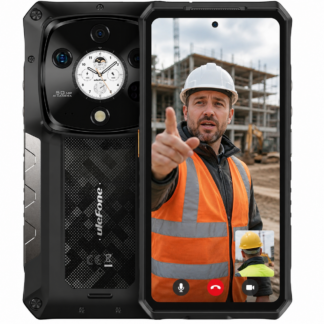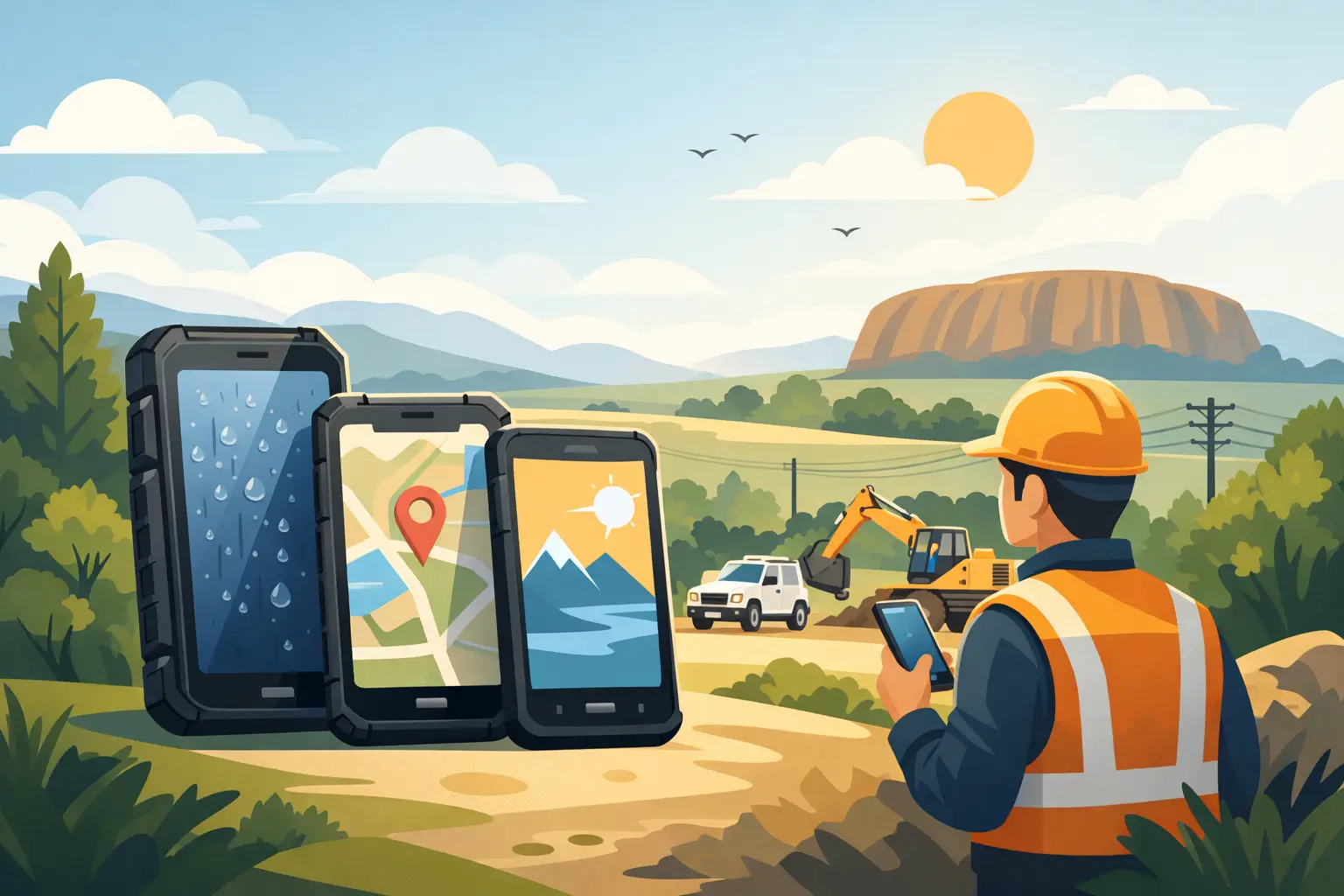
A cracked screen at the start of a shift is annoying. A dead mobile when you are alone on a fence line, moving machinery, or trying to coordinate a delivery is a work problem. The best phones for outdoor workers are not simply phones with a tough-looking case. They are dependable work tools built to keep charging, connecting and operating after dust, rain, vibration, drops and long days outside.
That changes how you should buy. Consumer flagships can take excellent photos and run fast, but a slim glass-backed handset is a poor fit for many sites. A proper rugged phone gives up some polish and pocket-friendliness for physical protection, bigger batteries and practical features that matter when conditions turn rough.
What outdoor work actually demands from a phone
Start with the environment, not the spec sheet. A landscaper working around sprinklers has different risks from a mine worker dealing with fine dust, or a freight driver jumping in and out of a ute all day. Yet the same failures come up repeatedly: smashed displays, water ingress, flat batteries, weak reception and charging ports clogged with dirt.
For most field crews, look for an IP68 or IP69K rating and a recognised drop-resistance standard such as MIL-STD-810H. IP ratings matter because they indicate how a device has been tested against dust and water. They are not a licence to leave a phone submerged indefinitely, but they are a meaningful line of defence against rain, wash-downs and accidental dunks.
Drop protection needs more than a thick shell. A raised screen bezel, reinforced corners and a frame designed to absorb impact are what save a mobile when it lands on concrete or gravel. A replaceable screen protector is worthwhile too. The screen is still the most exposed and expensive part of the device.
Battery capacity is another major divider. An outdoor worker should not be hunting for a power point by mid-afternoon. Larger batteries can deliver two or more days of moderate use, although actual life depends on screen brightness, GPS, 5G use, camera use and signal strength. In remote areas, a phone working hard to find a tower will drain faster than it does in town.
Choosing the best phones for outdoor workers
There is no single best rugged phone for every job. The right choice depends on whether your priority is communications, long endurance, specialist imaging or keeping the device simple for a team member.
For trades, construction and general site work
For builders, electricians, plumbers and contractors, a balanced rugged smartphone is usually the sensible buy. Prioritise a bright display that can be read in direct sun, reliable 4G and 5G compatibility, enough memory to run job-management apps, and a battery that lasts a full shift with room to spare.
A programmable side button is more useful than it sounds. It can be set for push-to-talk, torch, camera, SOS functions or a commonly used app, reducing the need to unlock the screen with dirty gloves. Physical buttons are also easier to use in rain or when you are wearing PPE.
Do not get distracted by a huge camera number alone. For site photos, what matters is fast focus, usable detail in mixed light and a camera app that works without fuss. A good torch and strong speaker often add more value on a worksite than another novelty camera mode.
For farming, remote work and transport
Battery life and coverage take priority when the nearest charger or service centre is hours away. Choose a phone with a large battery, dual SIM capability where appropriate, GPS and Australian network band support. Before buying, check that the model supports the bands used by your preferred carrier. A bargain import that misses key Australian bands is not a bargain once it struggles for coverage where you work.
Farmers and remote operators should also consider whether the device will be used as a navigation screen, hotspot or camera for recording machinery issues. These jobs benefit from a larger display and a device that can cope with continuous GPS use. The trade-off is weight. Big-battery phones are heavier, and that is noticeable if you carry one in a shirt pocket all day.
For transport drivers, charging convenience matters. USB-C is now expected, but inspect the port design and supplied cable quality. A properly protected port is valuable around dust and moisture, while a good vehicle mount and charging setup prevents the phone becoming a projectile across the cab.
For mining, inspection and specialist field roles
Some jobs need more than a tough handset. Thermal imaging can help identify overheated electrical components, check equipment, locate heat loss or support maintenance inspections. Night vision may be useful for security, wildlife work and low-light checks. These features cost more, so buy them only when they solve a regular on-the-job problem.
A thermal camera is not a replacement for certified industrial test equipment or site-specific safety procedures. Its value is speed and visibility: it can flag something worth investigating before it becomes a larger problem. For workers entering regulated or hazardous areas, always confirm the device meets the required site approvals. Waterproof and drop-proof do not automatically mean intrinsically safe.
For simple communications and controlled use
Not every outdoor worker needs unrestricted internet, social media or a large touchscreen. For schools, crews needing basic contact, or families wanting a practical safety device, a durable feature phone or limited-use model can be the better answer. It reduces distractions, is easier to operate and often has excellent standby time.
This is one area where buying the most expensive phone makes little sense. If calls, texts, location sharing and emergency contact are the whole brief, a simpler device is often more dependable because there is less to drain the battery, break or misconfigure.
Specifications that deserve your attention
Rugged-phone listings can be full of oversized claims. Focus on the specifications that change daily use rather than chasing the longest list.
A screen needs enough brightness for sunlight and a size that suits your hands and apps. A high-resolution display is nice, but it will not help if the screen is too dim outdoors. Glove mode can be useful, though it is worth treating as a convenience feature rather than a reason to buy on its own.
Storage and RAM affect how well mapping, photos, forms and communication apps run together. Workers using only calls, messages and a handful of apps can manage with modest hardware. Anyone running field software, storing lots of images or sharing data from site should buy more headroom. It is cheaper than replacing an underpowered phone a year later.
Look closely at charging speed, but do not assume faster is always better. Fast charging is valuable between shifts or in a vehicle, while a large battery is more valuable when you cannot charge at all. Ideally, you have both. Wireless charging can be convenient in a clean office, but it is rarely the deciding feature for hard-use work.
NFC is worth considering for tap-and-go payments, access cards and some workplace systems. A 3.5 mm headphone jack remains useful for wired headsets and vehicle audio, particularly where Bluetooth gear is another item to charge and lose.
Do not overlook warranty, repairs and local support
The weakest part of many rugged-phone purchases is what happens after checkout. Cheap imported devices can look convincing online, then become difficult to repair, return or support when something goes wrong. That is a poor outcome for a device bought specifically to avoid downtime.
Choose a specialist retailer that can explain Australian network compatibility, provide clear warranty terms and supply accessories such as screen protectors, holsters, mounts and replacement charging gear. Ask whether screen replacement or accidental damage cover is available. A rugged phone is built to take punishment, not to become indestructible.
Factory quality matters as well. Two phones with similar-looking specifications can differ sharply in battery quality, sealing, buttons, charging ports and long-term parts support. Rugged Phones Australia focuses on vetted models rather than filling the catalogue with every cheap import available. That selection discipline matters when your mobile is needed for work, not weekend scrolling.
A hard-use phone should suit the person carrying it
The best choice is the one that matches the workday. A compact rugged phone may be right for a sparky climbing ladders. A large-battery model may be better for a station hand away from power. Thermal imaging can justify its cost for maintenance teams, while a simple durable phone may be the smartest option for controlled communications.
Buy protection, battery and network compatibility first. Then choose the camera, screen size and extra tools that genuinely earn their place. A work phone does not need to be flashy. It needs to be there, switched on and ready when the weather, the site and the day refuse to cooperate.