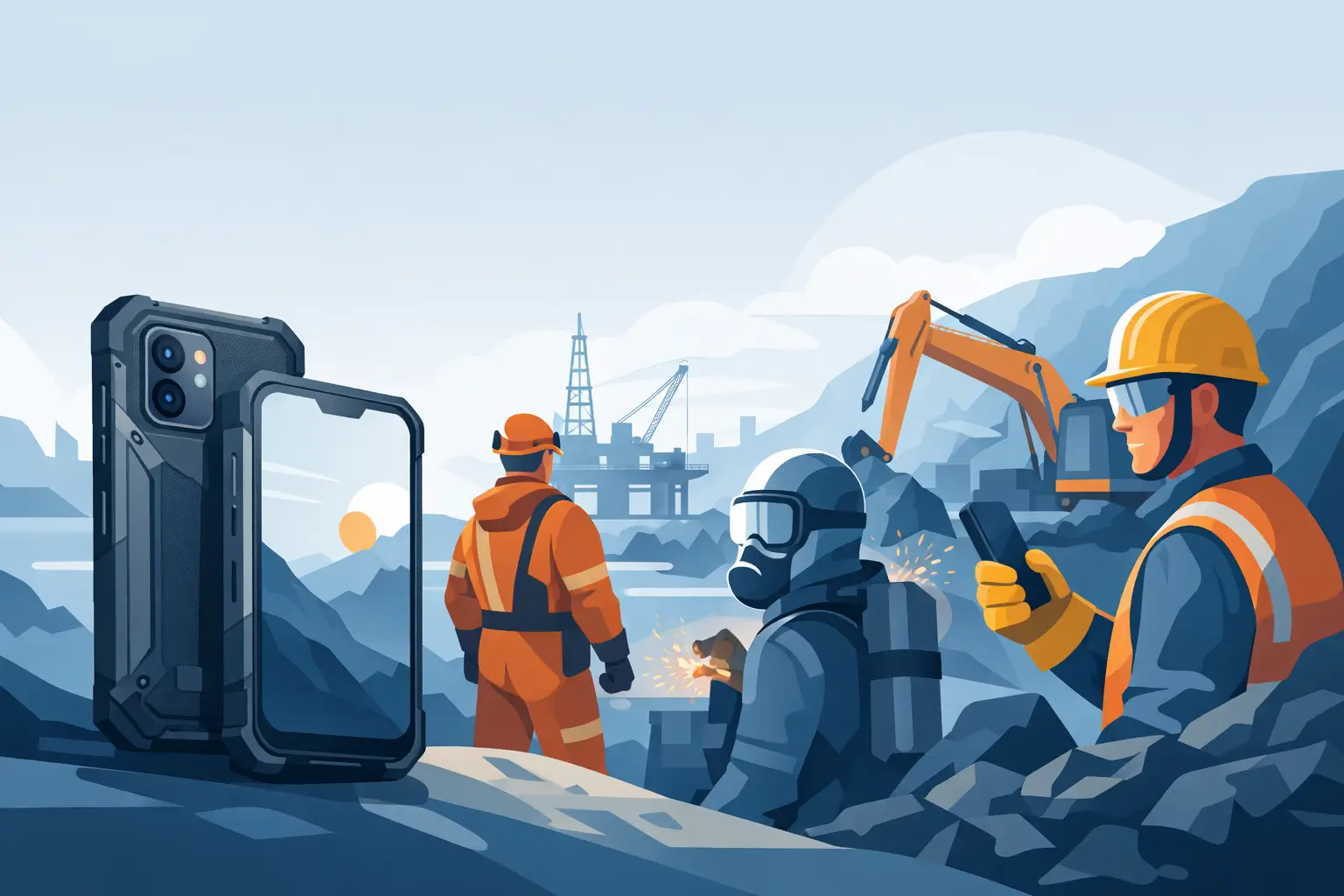
A phone dropped onto gravel at a mine site, soaked during a wet harvest or coated in concrete dust is not having a bad day. It is being used as intended. Ulefone phones are built for people who are finished with cracked screens, flat batteries and fragile consumer mobiles that belong in an office, not a ute, shed or worksite.
That does not mean every rugged phone is automatically a good buy. Big batteries, loud claims and an IP rating on a product page do not tell the full story. The right device needs to suit your carrier, your job, your charging routine and the way you actually use it with gloves on, in heat, rain and poor reception.
Why Ulefone phones suit hard-use work
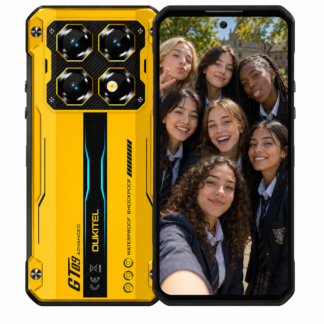
Ulefone is best known for the Armour range: Android smartphones designed around physical protection and practical tools rather than thinness. Their appeal is straightforward. You get a thick protective housing, reinforced corners, covered ports, large batteries and screens intended to take more punishment than a standard consumer handset.
For field crews, that extra bulk is usually a sensible trade. A slim glass phone may be easier to slip into a shirt pocket, but it becomes an expensive liability when it falls from machinery or meets a puddle. A purpose-built rugged mobile is heavier and thicker because it has more material where it counts.
Many Ulefone models also go beyond basic toughness. Depending on the model, features can include 5G, night vision cameras, thermal imaging, very large batteries, programmable side keys, bright displays and practical work lights. These are not gimmicks when they solve a real operational problem. Thermal imaging can help identify hot electrical components, while night vision is useful around property, livestock, security work and low-light inspections.
What separates worthwhile Ulefone phones from cheap imports
Rugged phone shopping is full of inflated promises. A device can look indestructible in a marketing video and still be a poor long-term work tool if it has weak network support, unreliable software, poor parts availability or no meaningful warranty path in Australia.
Protection ratings are a starting point, not the whole answer
IP68 and IP69K ratings indicate resistance to dust and water under tested conditions. MIL-STD-810H testing is commonly used to indicate resistance to drops, vibration and temperature-related conditions. These specifications matter, but they are not permission to treat a phone as disposable.
Water resistance can be compromised by a damaged seal, a loose SIM tray or a cracked screen. Drop testing is also conducted under particular conditions, not after six months of knocks in the tool bag. Use the supplied port covers, inspect seals and fit a screen protector where available. A rugged phone is designed to reduce risk, not erase common sense.
Battery capacity needs context
A large battery is one of the main reasons workers choose Ulefone. It can mean multiple days away from a charger, fewer power bank swaps and less anxiety when a shift runs long. For remote work, that is a genuine safety and productivity advantage.
But a huge battery also adds weight and charging time. If the mobile spends most of its life in a vehicle cradle and you need one-handed use, an enormous handset may not be the best fit. Consider your longest normal shift, signal conditions and whether you run GPS, Bluetooth accessories, hotspotting or camera apps all day. Those tasks use power far faster than occasional calls.
Network compatibility is non-negotiable in Australia
Do not buy any imported Android phone on the assumption that 4G or 5G alone means it will work properly on every Australian network. Band support matters, but so do carrier approval, VoLTE capability, emergency calling support and the effects of Australia’s 3G network shutdown.
Before choosing a model, check its exact variant and confirm compatibility with your intended carrier. This is particularly relevant for regional workers who rely on Telstra coverage, but it applies across all networks. A phone that technically connects can still deliver a poor experience if it lacks the bands or calling configuration needed in your area. This is one area where buying from a specialist that understands local requirements is safer than chasing the lowest overseas price.
Cameras should be chosen for the task
Standard camera megapixels do not tell you whether a phone will help document damaged equipment, record a delivery, photograph a site issue or read a serial number in poor light. Look at the practical camera setup and the work you need it to do.
A thermal camera is valuable for specific inspection jobs, but it is not necessary for everyone. Night vision is useful after dark, while a conventional camera may be the better choice for clear daytime records. Paying for a specialist sensor you will never use is no better than buying a fragile flagship phone for a harsh job.
Choosing the right Ulefone phone for your work
Start with the environment, then work backwards to the features. A farmer checking water points and fencing needs battery endurance, coverage compatibility and a screen that remains usable outdoors. A construction supervisor may prioritise camera performance, dual SIM capability and a phone that survives regular falls. A technician or electrician may get more value from thermal imaging than from the largest possible battery.
For transport and logistics, assess mounting options, charging in the cab and how easily the device can be handled with gloves. A big rugged handset can be excellent in the field but awkward in a cramped vehicle mount. If your team uses a particular app, device-management system or Bluetooth scanner, verify Android version and compatibility before ordering several units.
For remote locations, do not rely on the phone alone. Battery life is helpful, yet a vehicle charger, quality cable and suitable power bank remain sensible backups. Coverage can disappear long before the battery does. A rugged mobile is one part of a reliable field setup, not a substitute for a satellite communicator or approved safety procedure where those are required.
The case for buying support, not just a specification sheet
The cheapest listing is rarely the cheapest ownership experience. There are sellers offering devices with unclear factory sourcing, unsuitable software variants and little help once a fault appears. That is a poor gamble when your phone handles job photos, navigation, site communication, two-factor logins and contact with home.
A well-chosen Ulefone handset should come with clear Australian network guidance, proper warranty support and access to compatible accessories such as charging leads, cases, screen protectors and mounts. Repairability also matters. A damaged screen should not automatically turn an otherwise capable work mobile into e-waste.
Rugged Phones Australia takes a selective approach for this reason. Not every model with a big battery and a tough-looking shell deserves to be stocked. The goal is to avoid low-grade variants and focus on devices that make sense for demanding Australian use, backed by people who understand why a tradie, farmer or remote worker cannot afford vague answers.
Set up a hard-use mobile properly from day one
Once you have chosen the phone, set it up as if it will be needed on a bad day. Apply a quality screen protector, test calls and data where you normally work, and confirm that VoLTE is active with your carrier. Load offline maps if you travel beyond dependable coverage, add emergency contacts, and keep the operating system and essential apps current.
Use a proper charging cable rated for the phone’s charging system rather than a cheap spare that lives at the bottom of the console. Keep charging ports clean and dry, particularly after dusty or wet work. If the phone has a programmable key, assign it to something genuinely useful, such as the torch, camera or push-to-talk app.
The best Ulefone phone is not necessarily the biggest or most expensive one. It is the model that holds a charge through your shift, connects where you work, carries the tools you actually use and keeps operating after an ordinary mobile would have gone in the rubbish.