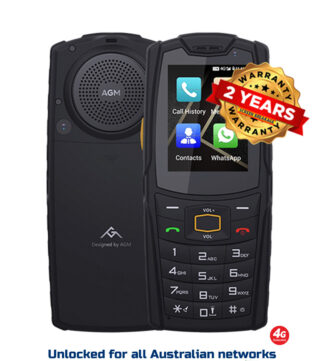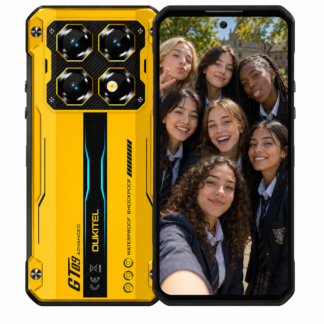
A cracked screen on a city mobile is annoying. A dead handset in the pit, on the farm, or halfway through a long transport run is a proper problem. If you are looking for a rugged phone with warranty Australian buyers can actually rely on, the hard truth is this: the warranty matters almost as much as the phone itself.
Too many buyers get distracted by big battery claims, thermal cameras, or a flashy spec sheet, then find out the support is useless once something goes wrong. That is where most bad rugged phone purchases fall apart. A tough shell means little if the seller disappears, parts are unavailable, or you are told impact damage is somehow your fault.
Why a rugged phone with warranty in Australia matters
Rugged phones are bought for harder jobs, not lighter ones. They go into dust, rain, vibration, mud, heat, and the daily abuse of utes, toolbags, machinery cabins and concrete floors. That means the real test is not whether a device survives one drop video on a product page. It is whether the whole ownership experience holds up when the phone has done six months of actual work.
Australian buyers need to think beyond imported stock and marketplace bargains. Network support, charger compatibility, local service handling, and realistic turnaround times all matter here. A rugged phone sold into Australia should suit Australian conditions and Australian buyers, not just be a random global model pushed through a generic online storefront.
A proper warranty changes the risk. It gives you recourse if the handset develops a fault, if components are not up to scratch, or if a supposedly premium device turns out to be badly assembled. In this category, that is not a minor extra. It is part of the product.
The problem with cheap rugged phones
There is a reason some rugged mobiles look good on paper and disappoint in the field. Not every version of a phone is equal, and not every seller is sourcing the same quality. Inferior component variants, poor assembly standards, weak batteries, and glued-shut designs that are a pain to service are common problems in the lower end of the market.
That is why the cheapest option is often the most expensive one after a few months. You save a bit up front, then lose time dealing with faults, replacing accessories, chasing support, or buying a second handset when the first one gives up.
For tradies, site supervisors, farmers and operators, downtime costs more than the price gap between a decent unit and a rubbish one. If your mobile is your camera, GPS, communications tool, hotspot and job management device, a failure is not just inconvenient. It interrupts work.
What a good warranty should actually cover
When people hear warranty, they often assume all policies are much the same. They are not. In rugged devices, the difference between weak support and proper cover is massive.
A decent warranty should give you clear local support, realistic fault assessment, and a seller that knows the product category. Better again is when there are options for accidental damage or screen replacement on select models, because let’s be honest, these phones are bought to be used hard. Even tough gear gets smashed if it lands badly on rock, steel or concrete.
Read the fine print with a sceptical eye. If the terms are vague, if support is offshore and hard to reach, or if every likely failure gets treated as customer misuse, that is not a serious warranty. That is marketing.
A worthwhile seller will also be upfront about what is and is not covered. That sort of honesty is usually a good sign. You want a specialist who understands the difference between a genuine manufacturing fault and the sort of damage that comes from dropping a phone out of a loader.
Choosing the right rugged phone with warranty that Australian buyers need
The right phone depends on the work, not just the budget. A transport operator doing long shifts may care most about battery life, loud speakers and a bright screen. A farmer may need better reception handling, glove-friendly use and reliability in rain and dust. A mining or construction buyer may want a model that can take repeated knocks and still run essential apps properly.
This is where generic buying advice fails. A rugged handset is not one category. There are slim rugged phones that suit everyday carry, larger battery-heavy units built for extended field time, and specialist models with thermal imaging, night vision, or simplified use cases.
If you need a rugged phone with warranty in Australia, start with how the phone will be used day to day. Ask yourself what actually matters when you are tired, dirty, wearing gloves, short on charge, or dealing with patchy reception.
Battery and charging
Big batteries are useful, but they come with trade-offs. A 10,000mAh phone can be brilliant for remote work and long days away from power, but it will be heavier and bulkier in the pocket. For some buyers that is a fair trade. For others, especially if the phone is on your body all day, a more balanced device makes more sense.
Fast charging also matters more than people think. If you can top up quickly in the ute between jobs, that can be more practical than carrying a brick-sized phone everywhere.
Network compatibility and actual usability
A rugged phone is no good if it does not play nicely with Australian networks. This is one of the biggest traps with imported devices. Paper specs are one thing. Real-world compatibility is another.
You also want a phone that is usable, not just survivable. Some rugged handsets are so bloated, awkward, or underpowered that people stop using half the features. That defeats the point. A work phone should be dependable and straightforward. It should run the apps you need, take clear photos, hold signal properly and last the day without drama.
Repairability and support
This part gets ignored until something breaks. A serviceable device is a smarter long-term buy than one built like a sealed disposable brick. If parts, accessories and support are available, the phone has a better chance of earning its keep over time.
That is one reason specialist retailers matter. A narrow, curated range is often a sign that someone has already filtered out the junk. At Rugged Phones Australia, that specialist approach is the point – fewer models, better judgement, stronger support.
Features worth paying for, and ones that are not
Not every premium feature is worth the extra spend. Thermal imaging, for example, can be genuinely useful for inspections, maintenance, electrical fault finding and property work. Night vision can make sense for security, rural use and certain field jobs. But if you only need calls, maps, photos and messaging, those extras may just add cost and complexity.
Waterproofing and drop resistance are essential, but marketing around these features can get silly. Ratings and compliance standards matter, yet they are only part of the story. A phone can pass a test and still be annoying to live with if the software is poor, the buttons feel cheap, or the charging port becomes unreliable.
The practical buyer focuses on what helps every day: battery life, screen readability outdoors, loud audio, stable software, decent camera performance for site photos, and proper warranty backing.
Who should buy what
If you work in trades, construction or transport, a balanced rugged smartphone is usually the sweet spot. You want solid durability, good battery life and enough performance to handle apps, photos, messages and navigation without lag.
If you are in farming, remote operations or field service, bigger battery capacity and stronger weather resistance often move higher up the list. Dust, distance and limited charging access change the priorities.
If you are buying for a student, a controlled-use environment, or someone who does not need open internet and social media, a simpler rugged device can be the smarter call. Less distraction, less nonsense, fewer ways for the phone to become a problem.
And if your job genuinely benefits from specialist tools, then a thermal or night vision model may earn its keep. Just make sure you are paying for a useful function, not a party trick.
The real buying test
A good rugged phone purchase should feel boring after the first week. That is a compliment. It means the phone simply does its job. No weird charging faults, no mystery battery drain, no fragile ports, no dramas when you need it most.
That is the standard buyers should expect. Not hype, not influencer nonsense, and not a race to the cheapest listing online. A rugged phone with warranty that Australian buyers can trust should be selected properly, backed properly and built for actual work.
If you are comparing options, be hard on them. Ask who is backing the device, what happens if it fails, how support is handled, and whether the model is there because it is good or just because it is available. The right answer is usually the one that saves you grief later, not the one that looks cheapest today.
Buy the phone that matches the job, and make sure the warranty is strong enough to prove the seller believes in it too.