A smartphone that pings all day is useless if all you really need is a mobile that rings when the boss calls and sends a text when plans change. That is why the calls and texts only phone still has a place in Australia. For some buyers, it is about cutting distraction. For others, it is about safety, battery life, simplicity, or having a backup that keeps working when conditions get rough.
This is one category where plenty of sellers get lazy. They treat every basic handset as the same. It is not. A cheap feature phone that looks fine in a product photo can be absolute rubbish in the real world – weak reception, poor battery consistency, flimsy buttons, and software that feels half-finished. If you want a phone with fewer features, you need the remaining features to work properly.
What a calls and texts only phone is really for
A calls and texts only phone is exactly what it sounds like, but the buying reason matters. If you are choosing one for a school student, the goal is usually limited access – no social media, no app store, less temptation. If you are choosing one for work, it is more about reliability, battery endurance, and something that survives getting knocked around in a ute, workshop, paddock, or crib room.
There is also the backup-phone buyer. These are the people who carry a modern smartphone but want a second device in the glovebox, toolbox, or emergency kit. That use case makes sense in regional Australia, where long battery life and a dependable connection matter more than a glossy screen.
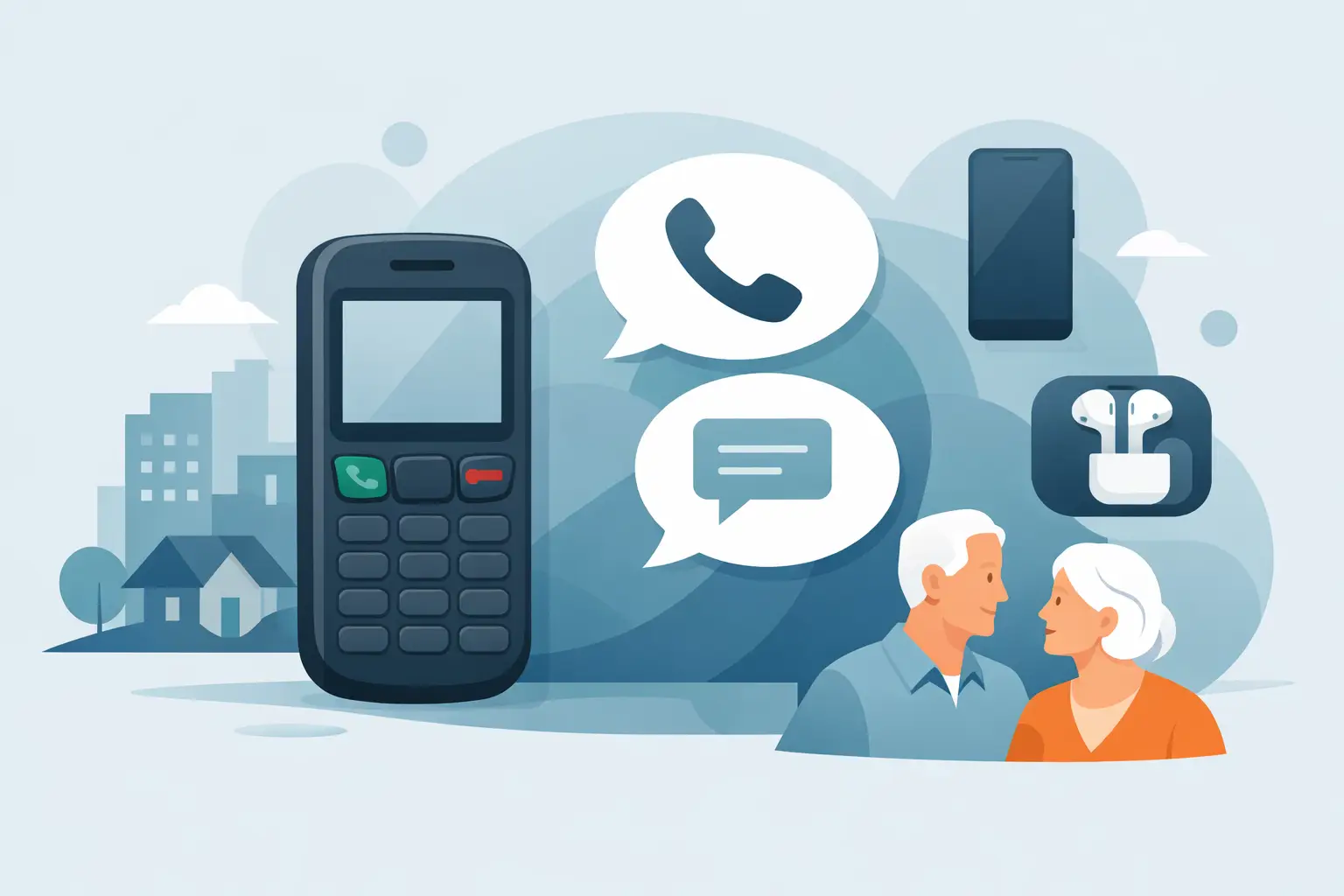
Then there are older users who are simply fed up with touchscreens, cluttered menus, and updates that move everything around for no good reason. A simpler phone can be a better phone if it removes friction instead of adding it.
Why people are moving back to simpler phones
The shift is not nostalgia. It is fatigue. Plenty of people are tired of carrying a pocket-sized distraction machine that needs charging every night and still manages to miss important calls under a pile of app notifications.
A basic phone strips the job back to essentials. Calls are easier to hear. Texting is straightforward. The battery generally lasts longer because the device is not running dozens of background services. That matters on the road, on site, or anywhere power is not always handy.
There is a cost trade-off as well. A simpler phone is often cheaper to buy and cheaper to replace if it gets damaged. That makes it practical for teenagers, contractors, casual staff, or as a fleet device where you care more about uptime than polish.
The good and bad of a calls and texts only phone
Let us be blunt. A calls and texts only phone solves some problems and creates others.
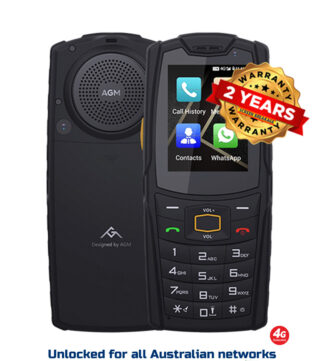
The upside is obvious. Better battery life, fewer distractions, simpler operation, and usually tougher physical design. A lot of these handsets also have louder speakers, physical buttons, and charging systems that are less fussy than slim consumer smartphones. If the phone is being used in gloves, wet weather, dust, or with dirty hands, that matters.
The downside is that some modern tasks are no longer optional for certain users. Banking codes, map access, work apps, QR check-ins, two-factor authentication, and secure messaging can all become awkward or impossible on a true basic handset. That does not make the device bad. It just means you need to be honest about how the phone will be used.
If someone says they want a simple phone but still expects full navigation, internet browsing, email, Teams, WhatsApp and a decent camera, they do not want a calls and texts only phone. They want a stripped-back smartphone. Different thing entirely.
What to look for in a calls and texts only phone
The first thing to check is network compatibility in Australia. This is where a lot of imported handsets fall over. A phone can look fine on paper and still be a poor fit for local networks if the band support is wrong or VoLTE performance is patchy. A basic phone is no bargain if it struggles to hold a call where you work.
Battery size matters, but battery efficiency matters more. A well-optimised basic handset can run for days without drama. A badly built one with a large battery can still be unreliable. Look at standby claims with a bit of scepticism and focus on real-world use.
Build quality should be taken seriously. If the phone is for farming, transport, construction or site work, you want solid buttons, a housing that does not flex like a toy, and a charging port that will not fail after a few months of dust exposure. Water resistance is useful, but so is basic physical toughness. Plenty of devices claim durability. Far fewer earn it.
Audio quality is another big one. If calls are the main job, the earpiece and microphone need to be clear. Loudspeaker volume matters too, especially in machinery, wind, or traffic. A basic phone with poor audio is missing the whole point.
Calls and texts only phone for work sites and remote use
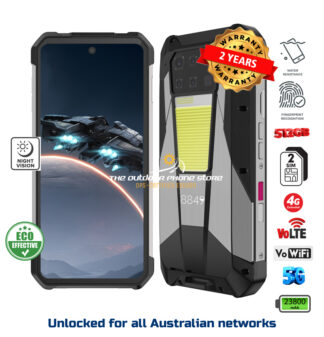
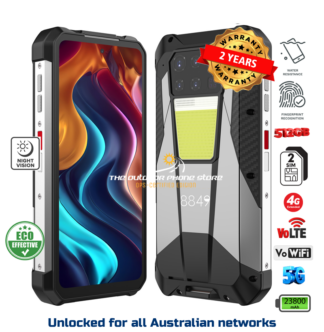
For hard-use environments, the best option is rarely the cheapest feature phone on the market. That is where specialist selection matters. Devices made for rough conditions tend to offer stronger housings, better battery performance, practical accessories and fewer nasty surprises after purchase.
In work settings, simplicity is a strength. Staff can be issued a phone with less chance of misuse, less chance of app-related distraction, and less support overhead. If all the device needs to do is receive calls, send updates by text, and stay charged through the shift, then extra features are not helping.
That said, there is a line. Some jobs now rely on digital forms, GPS tracking, messaging platforms or lone-worker apps. In those cases, a fully basic handset may be too limited. This is where buyers need to separate a genuine calls-and-texts-only requirement from a rugged low-distraction smartphone requirement. Get that wrong and you either overspend or buy a device that cannot do the work.
Is a simple phone right for kids and schools?
For many families, yes. A basic handset gives a student a way to call home and send messages without handing them the full circus of social apps, short-form video and endless notifications. That is the strongest argument for this category.
But there are practical considerations. Some schools and parents still want location sharing, transport apps or emergency contact tools that go beyond standard calling and texting. If those are mandatory, then a fully locked-down or limited-function smartphone may be the better fit.
The right answer depends on discipline, age, school rules and how much digital access you actually want the child to have. There is no point pretending one device suits every family.
Why the cheapest basic phones often disappoint
This market attracts plenty of corner-cutting. Inferior batteries, poor-quality screens, weak antennas, bad plastics and inconsistent firmware are common at the bottom end. On paper, two phones can look similar. In your hand, one feels dependable and the other feels disposable.
That difference gets more obvious over time. Cheap buttons stop responding properly. Battery life drops off. Charging ports loosen. Software bugs go unfixed because there was never proper support behind the product in the first place.
That is why a specialist retailer matters more in this category than many people realise. When the phone only does a few things, those few things need to be dead reliable. Companies like Rugged Phones Australia lean hard into that point for good reason – fewer models, better filtering, less rubbish.
Should you buy one?
If you want less distraction, longer battery life, easier use, and a device that focuses on communication instead of entertainment, then yes, a calls and texts only phone can be a smart buy. It is especially useful for students, older users, backup kits, and work roles where simplicity beats complexity.
If you still rely on apps, mobile banking, digital tickets, navigation or work platforms, be careful. A true basic phone may frustrate you fast. In that case, a rugged smartphone with fewer temptations might be the better answer.
The trick is not buying for fantasy. Buy for the day you actually have. If the phone needs to survive dust, distance, wet weather and long shifts, then simple is good – but only if it is built properly.