A cracked screen at smoko is annoying. A dead mobile halfway through a shift, out on a property or on a mine site, is a proper problem. That is the real starting point for the question are rugged phones worth it – not specs on a box, not flashy ads, and not whether a consumer handset looks nicer on the lunch table.
For plenty of Australians, a standard smartphone is built for offices, cafes and couches. It is not built for dust, vibration, rain, drops onto concrete, gloved hands, long days away from a charger, or patchy reception in the middle of nowhere. A rugged phone is. The catch is that not every buyer needs one, and not every rugged model is worth the money.
Are rugged phones worth it for most buyers?
If your mobile spends most of its life in an air-conditioned office, on a dashboard mount, or in your pocket between school runs, probably not. A mainstream handset in a decent case will do the job, and it will usually give you a better camera, slimmer design and stronger app ecosystem for the money.
But if your phone is a work tool rather than a toy, the answer changes fast. For tradies, farmers, transport operators, construction crews, security staff, remote workers and anyone who regularly destroys ordinary phones, rugged phones are often worth it because they are designed around failure points that kill standard devices. The value is not just in surviving one dramatic drop. It is in coping with constant abuse over time.
That difference matters. Most consumer phones can survive careful use with a quality case. Few are happy living in dust, copping repeated knocks, getting wet, charging in dirty environments, or running all day on max brightness with GPS on. Rugged phones are built with that reality in mind.
What you are actually paying for
A lot of buyers make the mistake of comparing a rugged phone to a mainstream phone on raw processor speed or camera polish alone. That is the wrong lens.
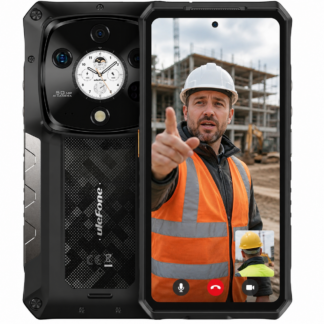
With a rugged device, you are usually paying for reinforced construction, better sealing, larger batteries, stronger frames, protected ports, glove-friendly usability, and hardware that is chosen for endurance rather than showroom appeal. On some models, you are also paying for practical extras such as thermal imaging, night vision, programmable buttons, loud speakers and genuine dual SIM flexibility.
That does not mean every rugged phone is automatically a smart buy. Some cheap imports are full of big promises and weak components. They look tough in the photos, then let buyers down with poor software support, dodgy network compatibility, glued-up construction, weak warranty backing or low-grade screens and batteries. A rugged phone only makes sense when the quality control is there.
Where rugged phones earn their keep
The strongest case for a rugged phone is simple: downtime costs money.
If you rely on your mobile for job management apps, photos, maps, calls, two-factor logins, dispatch updates or safety communication, replacing broken handsets every few months is false economy. Even if the phone itself is cheap, the interruption is not. You lose time, access, records and often patience.
Battery life is another major reason these devices make sense. Many rugged models are built with batteries that leave standard phones for dead. That matters if you are on the road all day, working long shifts, camping on-site, or moving through areas where charging is inconvenient at best. A phone that makes it through a full day without drama is not a luxury in those conditions. It is basic reliability.
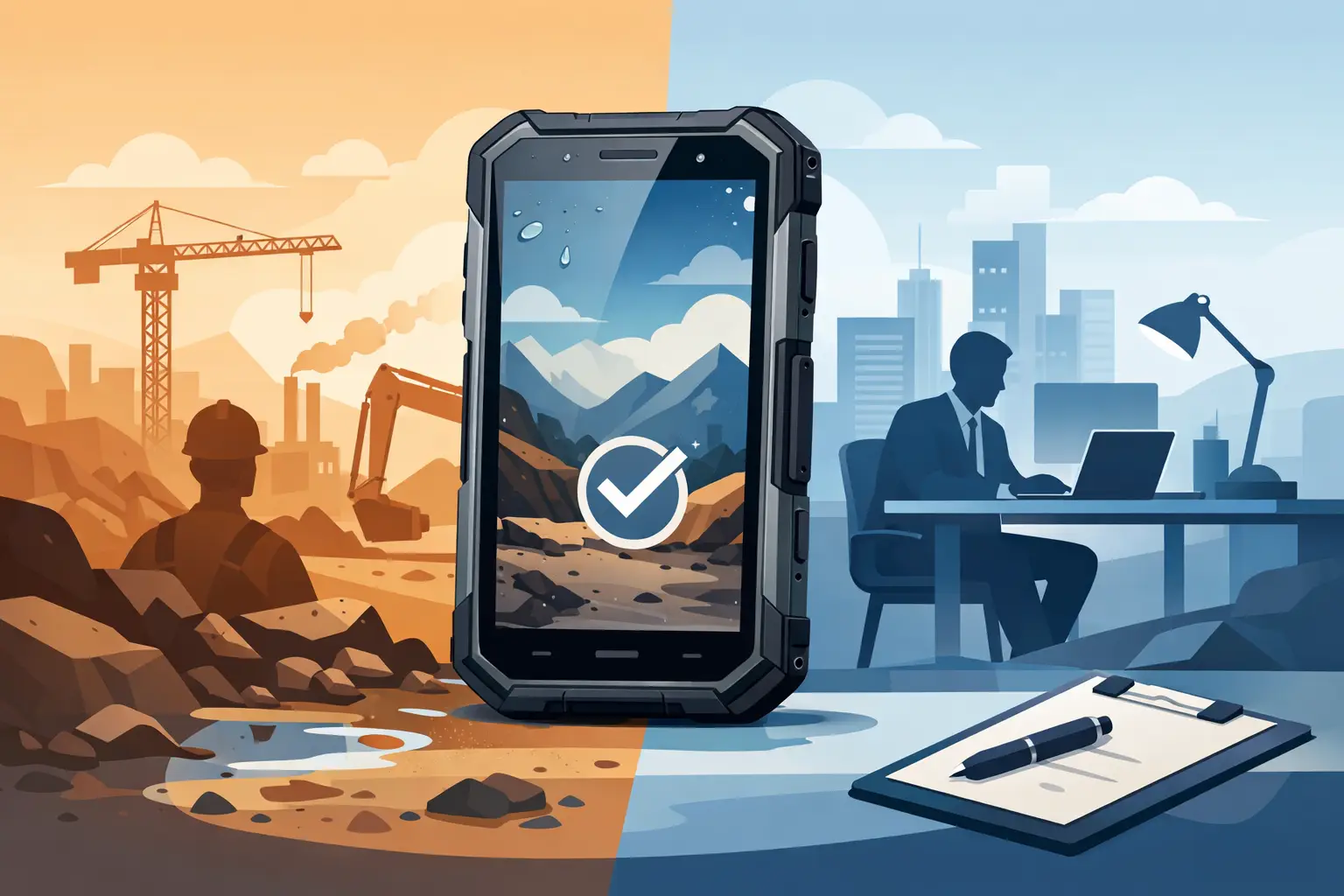
There is also the issue of weather and grime. Australian worksites are hard on gear. Fine dust gets into ports. Heat cooks batteries. Sudden rain turns a routine call into a risk. A proper rugged phone is designed for that sort of punishment, not just for a marketing test in a clean lab.
The trade-offs are real
There is no point pretending rugged phones are perfect for everyone.
They are usually thicker, heavier and less stylish than consumer flagships. Camera processing can be hit and miss depending on the model. Some have excellent practical cameras, especially for inspection work, but many will not match a premium mainstream phone for polished low-light shots of the kids or your weekend away. Software updates can also vary more by brand and model than buyers are used to with major consumer names.
You may also be paying for features you do not need. If you never work outdoors, never drop your phone, and charge every night beside your bed, then military-grade protection and an oversized battery may be wasted on you. In that case, a normal smartphone with a quality case and screen protector is the smarter spend.
That is why the honest answer to are rugged phones worth it depends on your environment, your habits and how badly a failure hurts when it happens.
Rugged phone versus standard phone in a case
This is where plenty of people get stuck. They think a mainstream phone plus a heavy-duty case gives the same result. Sometimes it comes close. Often it does not.
A case helps with impact protection, but it does not turn a standard phone into a sealed worksite tool. It does not usually improve battery life. It does not give you a chassis built for vibration and repetitive shock. It does not solve wet-screen issues, weak port protection, or fragile internal layouts. It also does not fix the basic truth that many slim consumer phones are engineered around looks first and resilience second.
A rugged phone starts from the opposite brief. It is built to be used hard. That design priority changes everything from frame construction to battery size to port covers to button layout.
For some buyers, a tough case is enough. For others, it is just putting work boots on a racehorse.
Who should seriously consider one
If you work in mining, farming, transport, warehousing, construction, civil works, emergency response, field services or outdoor operations, you are the obvious fit. So are business owners buying handsets for crews who are rough on equipment and need fewer breakdowns.
Rugged phones can also make sense for parents, schools or institutions that want limited-use mobiles with long battery life and fewer distractions. Not everyone wants a glossy pocket computer. Some people want a dependable device that calls, messages, runs the essentials and survives being treated like a tool.
Remote travellers, campers and four-wheel drivers also get strong value if battery life, reception compatibility and durability matter more than having the thinnest handset in the campground.
Who probably should not buy one
If your biggest threat is dropping your phone from the couch to the rug, save your money.
If you care most about having the best camera, the lightest handset, the brightest mainstream display and the longest software roadmap, a premium consumer phone is likely the better fit. The same goes if your work is office-based and your phone is mostly for email, banking and casual use.
Buying a rugged phone just because it sounds tougher can be as silly as buying a heavy-duty ute to collect takeaway. The gear should match the job.
How to tell if a rugged phone is actually worth it
Look past marketing noise. Focus on whether the device is well sourced, supported locally, compatible with Australian networks, and backed by a proper warranty. Check whether the build is serviceable, whether the battery and screen quality are up to scratch, and whether the seller understands real-world use instead of just repeating factory claims.
This is where specialist retailers matter. A curated range is usually a better sign than a giant catalogue full of random models. Anyone can list dozens of cheap rugged-looking phones. The harder part is filtering out the rubbish and standing behind what is sold. That is why buyers in hard-use industries often do better with a specialist such as Rugged Phones Australia than with a generic marketplace seller chasing the lowest price.
So, are rugged phones worth it?
For the right buyer, absolutely. Not because they are trendy, but because they reduce breakages, last longer in harsh conditions and keep working when a standard mobile would be on its second cracked screen and third charging issue.
For the wrong buyer, no. They will feel bulky, overbuilt and unnecessary.
The smart way to look at it is this: if your phone is a mission-critical tool, buy for reliability first. If it is mostly a lifestyle device, buy for comfort and polish. A rugged phone earns its keep when failure is expensive, conditions are rough and you are sick of replacing fragile gear that was never up to the job in the first place.