A proper AGM feature phone review needs to start with the question most glossy product pages avoid: do you actually need a smartphone? For plenty of workers, parents and remote-area users, the answer is no. They need a mobile that calls reliably, lasts for days, handles rain and dust, and does not become another fragile, distracting thing to charge and protect.
That is where AGM feature phones make sense. They are built for people who value practical communication over endless apps. The trade-off is clear from the start: you give up the speed, camera quality and flexibility of a modern smartphone. In return, you can get a simpler device that is easier to operate with gloves on, less tempting for kids to misuse, and far less stressful to carry into a dirty shed, a paddock or a work ute.
What an AGM feature phone is built to do
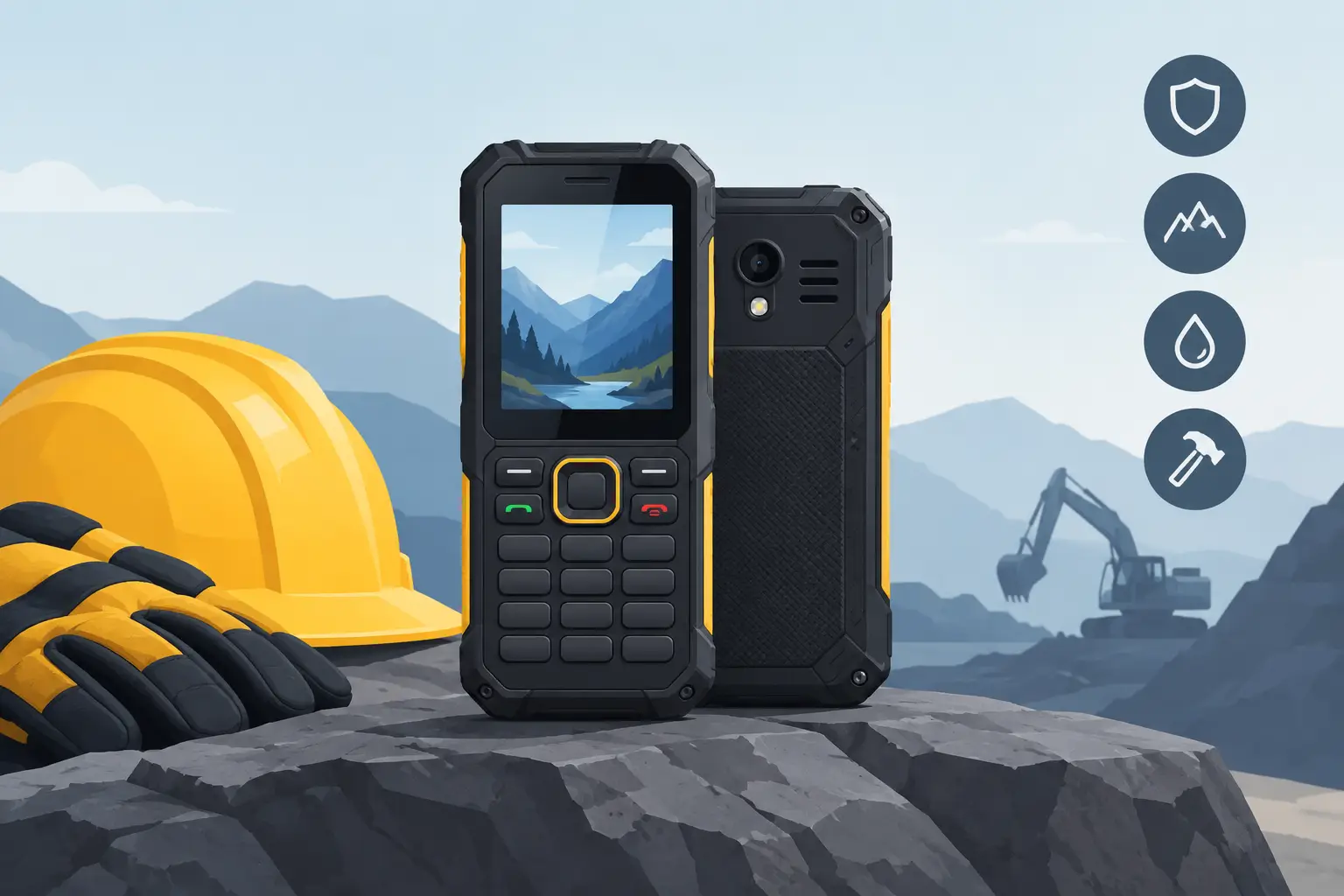
AGM sits in the rugged-device category, not the fashion-mobile category. Its feature phones are generally aimed at buyers who want physical buttons, straightforward menus and a tougher outer shell than the cheap flip phones sold at service stations and discount stores.
The value is not in trying to imitate an iPhone on a tiny screen. It is in doing the basics properly. Calls, texts, contacts, alarms, a torch and often Bluetooth are the core jobs. Some models may add a camera, GPS, dual SIM capability or limited connectivity, but these should be treated as useful extras rather than the main reason to buy.
For site supervisors, truck drivers, farmers and older users, physical keys are not old-fashioned for the sake of it. They are practical. You can answer a call without swiping a wet screen. You can type a short message by feel. You are less likely to crack a large display after one drop onto gravel.
AGM feature phone review: the strengths that matter
The strongest reason to choose an AGM feature phone is controlled simplicity. A phone with fewer moving parts in the software has fewer ways to distract the user or cause confusion. That makes it a sensible option for a school-aged child who only needs family contact, or for a worker whose personal smartphone is not welcome in certain areas of the job.
Battery life is another major advantage. A feature phone does not have a bright, power-hungry touchscreen constantly pulling data in the background. Actual run time still depends on signal conditions, call volume and battery size, but it is reasonable to expect far less charging than with a large-screen smartphone. In fringe coverage, no device can ignore the power drain of searching for a tower, yet a simple phone starts with a much lower power demand.
Durability also matters, but buyers should understand what that means. A tougher housing, protected ports and a smaller screen improve the odds of surviving daily knocks. They do not make any mobile indestructible. A phone dropped from a loader cab, run over by machinery or left underwater beyond its stated rating can still fail. Rugged is a design standard, not permission to abuse equipment.
The small form factor deserves credit too. An AGM feature phone can sit in a shirt pocket, tool bag or vehicle console without taking up half the space. For anyone carrying a work radio, keys and PPE, that is a real benefit.
The limitations you should not ignore
A feature phone is the wrong tool if your work depends on email attachments, job-management apps, video calls, live maps, banking apps or high-quality photos of completed work. Trying to force those tasks through a tiny screen and limited operating system is a fast route to frustration.
The camera is usually functional rather than impressive. It may record a reference photo, but it is unlikely to replace a modern smartphone for documenting damage, reading serial numbers in poor light or producing images for a client report. Screen size and speaker quality can also be limiting if you spend long periods reading messages or taking calls in a noisy cab.
Internet access needs careful attention. Some AGM feature phone models are deliberately designed with no internet browser or social media capability. That is a strength for parents, schools and workplaces that need a communications-only device. It is a weakness if the user expects Google Maps, WhatsApp, internet banking or email. Do not assume a mobile with 4G support is a miniature smartphone. It may be built to make calls and send texts, full stop.
There is also a usability adjustment. T9-style texting is slower than tapping on a touchscreen, especially for long messages. People who have used button phones before usually adapt quickly. Someone raised entirely on smartphones may need a few days before the keypad feels natural.
Australian network compatibility is non-negotiable
This is where cheap imported feature phones get people caught out. A listing can claim 4G and still be a poor choice for Australian networks. The device needs the right local frequency bands and, critically, compatible 4G calling support. After the 3G network shutdown, relying on a handset that falls back to 3G for voice is not a serious plan.
Before buying, check the exact model variant rather than the brand name alone. Confirm it supports the carrier you use, including VoLTE requirements where applicable. Telstra, Optus and Vodafone network arrangements differ, and coverage in regional Australia is not just a matter of the logo printed on the box.
If the mobile is for emergency contact, remote travel or an employee working alone, this check is even more important. Test calls, texts and charging before the phone is put into service. Keep the receipt, record the IMEI, and make sure the user knows how to place an emergency call and access important contacts.
Who should buy one?
An AGM feature phone is a good fit for a worker who needs a reliable second phone, a parent who wants calls and texts without the social-media circus, or an older family member who prefers buttons and a simple menu. It also works well as a vehicle emergency mobile, provided it is network-compatible and charged regularly.
It is less suitable for a sole trader who runs their entire business from their handset. If you quote jobs, navigate to unfamiliar properties, take evidence photos and manage invoices from the road, a rugged smartphone is normally the better investment. The initial price may be higher, but it avoids carrying two devices and trying to work around limitations all day.
There is a middle ground for many people: use a rugged smartphone as the primary work device and keep a feature phone as a low-distraction personal or backup mobile. That setup makes particular sense for remote trips, high-risk work environments and families trying to set clear boundaries around screen time.
What to inspect before you commit
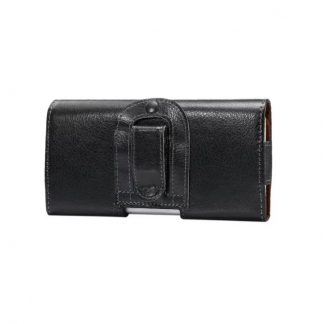
Do not buy on the word “rugged” alone. Look at the actual construction, the stated water and dust protection, the charging connector, battery access and warranty support. A phone that is hard to charge because the port cover is flimsy, or impossible to service when the battery eventually wears out, is not a good long-term buy.
Check whether the keypad has enough spacing for the intended user. Large buttons and a clear display often matter more than an extra novelty feature. If the phone will live in a truck or on a farm, a loud ringer, strong vibration motor and usable torch can be more valuable than a marginally better camera.
Local support is worth paying attention to as well. A bargain import is not a bargain when it arrives with the wrong network setup, no practical warranty path and no one willing to help diagnose a fault. Specialist sellers such as Rugged Phones Australia focus on the details that generic marketplace listings regularly skip: usable models, proper sourcing and support when the device is actually needed.
The verdict
AGM feature phones are not trying to replace a premium smartphone, and that is exactly why the right buyer will appreciate them. Their appeal is straightforward: physical controls, lower distraction, better battery endurance and a tougher approach to everyday handling.
Buy one when simple communication is the job. Skip it when your day depends on apps, documents, navigation and detailed photos. Choose the exact model only after confirming Australian network compatibility, then set it up properly before it becomes the phone someone relies on when there is no room for a flat battery, a cracked screen or a call that will not connect.