A phone that survives one dramatic drop is not necessarily the one you want on a mining site, in a tractor cab or on the road for a ten-hour shift. When buyers ask which rugged phone lasts longest, they usually mean two different things: which one runs longest between charges, and which one keeps working for the most years. Those answers overlap, but they are not the same.
The longest-lasting rugged mobile is rarely the cheapest big-battery model. Battery capacity matters, but so do heat management, charging habits, component quality, network support, water sealing and whether the device can be repaired when the screen eventually meets concrete. A good rugged phone is working equipment. Judge it like you would any other bit of gear.
Which rugged phone lasts longest on one charge?
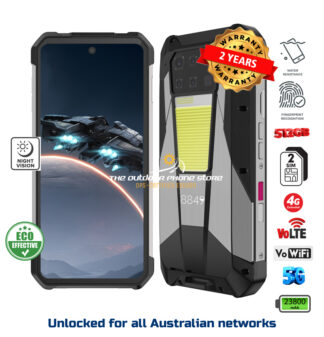
For outright runtime, phones with very large batteries lead the field. A 10,000mAh to 20,000mAh rugged phone can comfortably outlast a standard smartphone by several days when used sensibly. For workers running navigation, job apps, calls, photos and Bluetooth accessories, that extra capacity is not a novelty. It can be the difference between finishing a shift with communication available and hunting for a charger in the ute.
But do not buy on the mAh number alone. A huge battery is useful only if the rest of the phone is efficient. A bright, oversized display, poor software optimisation, a weak signal in remote areas and constant 5G searching can flatten even a massive battery faster than expected. Thermal cameras, night vision, high-refresh-rate screens and powerful torches also draw serious power. They are valuable tools, but they change the runtime calculation.
For most field work, the practical sweet spot is a phone with enough capacity for two full working days rather than the absolute largest battery available. It will usually be easier to carry, charge faster and fit vehicle mounts more reliably. The 20,000mAh class makes sense for remote crews, long camping trips, isolated properties and people who cannot count on power every night. For everyone else, a well-built 10,000mAh or 15,000mAh device is often the better working balance.
Real battery life depends on your job
A farm manager using calls, messages, photos and mapping will get a very different result from a supervisor streaming video, using a hotspot and scanning equipment all day. Cold mornings reduce available battery power. Extreme heat is worse over time, particularly if the phone is left charging on a dashboard under the windscreen.
If long battery life is the priority, choose a mobile with a sensible display size, reliable Australian network compatibility and charging that suits your routine. Fast charging is handy, but it should not be the only plan. A phone that lasts two days gives you breathing room when a vehicle charger fails, a generator is down or the nearest power point is a long way off.
The phone that lasts longest is built for years, not weekends
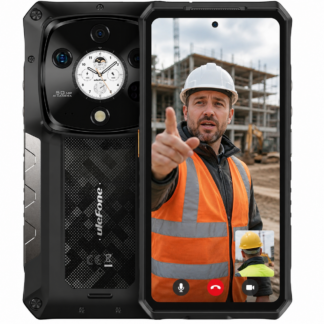
A rugged rating is a starting point, not proof of a long service life. IP68 or IP69K water and dust resistance, drop testing and military-style test claims all matter, but the details matter more. How is the screen protected? Are the charging-port covers secure? Does the body flex? Is the battery protected from impact? Are the buttons usable with gloves and likely to keep working after thousands of presses?
The best rugged phones are designed around repeated abuse, not a single marketing demonstration. They use reinforced frames, properly recessed screens, substantial corner protection and ports that can handle dust and regular charging. They also avoid the bargain-bin trap of impressive-looking specifications sitting inside a poorly assembled chassis.
There is a trade-off. A genuinely durable mobile will be thicker and heavier than a consumer handset. That weight is the cost of a bigger battery, stronger housing and impact protection. If it lives in a pocket all day, check the dimensions honestly. If it is mounted in a machine or kept in a tool bag, a larger model may be exactly what you need.
Repairability is part of durability
A phone is not long-lasting if a cracked screen turns it into e-waste. This is where buyers get caught by cheap imports. A low purchase price means little if there are no replacement screens, no local warranty pathway and no realistic way to service the device.
Look for clear support on screen replacement, accidental damage cover where available, batteries and charging accessories. Also be wary of phones that are effectively glued shut with no practical service path. Sealed construction can help with water resistance, but good sealing and sensible repair support are not mutually exclusive.
At Rugged Phones Australia, selection is not based on who can print the biggest numbers on a listing. The aim is to avoid weak factory variants and stock devices that make sense for people who actually depend on them. That includes considering whether a phone can be supported after the sale, not just whether it looks tough on day one.
Do not confuse a big battery with battery longevity
Battery runtime is how long a charge lasts. Battery longevity is how well the battery holds capacity after hundreds of charge cycles. Heat, constant full charging and repeated deep discharge all shorten battery life, whether the phone is rugged or not.
You do not need to treat a work phone like a museum piece. Use it. Charge it when required. But avoid baking it in direct sun, especially while charging, and do not make a habit of running it completely flat. If the phone spends every day in a hot vehicle, remove it from the mount when practical. A shaded console or insulated tool bag is far kinder than the dashboard.
A battery that starts large has more reserve as it ages. That is another reason high-capacity rugged phones can remain useful longer than slim consumer mobiles. After a couple of years, a larger battery may still deliver a full shift while a smaller one needs a midday top-up.
The buying checks that prevent expensive mistakes
Before deciding which rugged phone will last longest for your work, put it through this plain test:
- Will the battery cover your real shift, including poor reception and GPS use?
- Is the phone compatible with the Australian network you use where you work?
- Are the screen, port covers, mounts and accessories suited to your daily environment?
- Is there a proper warranty and a realistic option if the screen or charging gear is damaged?
Network compatibility deserves special attention. A durable handset is useless if it drops service in the places where you need it most. Check supported bands and remember that remote coverage is often more demanding than city coverage. Do not assume every imported rugged model is equally suitable for Australian carriers.
Also decide whether specialist tools are worth the added size, cost and power use. Thermal imaging is valuable for electrical inspections, livestock checks and fault finding. Night vision can be useful for security and outdoor work. A programmable key, loud speaker, glove-friendly controls and a powerful torch can save time every day. Buy those features because they solve a real problem, not because they make the specification sheet louder.
So, which rugged phone lasts longest?
For battery runtime alone, the winner is usually a quality model with the largest battery that still suits your carry, charging and mounting needs. For total ownership life, choose the phone with proven build quality, Australian network suitability, meaningful warranty support and a service path for common damage. That may not be the biggest or cheapest handset on the page.
The right rugged phone should still be dependable after wet weather, dust, vibration, long shifts and a few hard knocks. Pick the one that matches the conditions you work in, then give it basic care. That is how a work mobile becomes gear you trust rather than another replacement expense.